
End-to-End Supply Chain Visibility: What It Is and Why It Matters
Learn what end-to-end supply chain visibility means, why it matters, and how real-time data helps businesses track shipments, reduce delays, and improve logistics performance.


In today’s global logistics environment, supply chains span multiple countries, carriers, and transportation modes. Managing this complexity requires more than basic tracking; it requires end-to-end supply chain visibility.
What Is End-to-End Supply Chain Visibility?
End-to-end supply chain visibility refers to the ability to track and monitor goods, data, and processes across the entire supply chain from origin to final delivery.
This includes visibility into:
- Supplier and production status
- Shipment movement across all transport modes
- Port and customs processes
- Warehouse inventory levels
- Final delivery status
The goal is to create a single, unified view of the entire supply chain.
Why End-to-End Visibility Matters
Limited visibility is one of the biggest causes of inefficiencies in logistics.
Without it, companies often face the following:
- Unexpected shipment delays
- Poor coordination between logistics partners
- Inaccurate delivery timelines
- Increased operational costs
Key Benefits of End-to-End Supply Chain Visibility
Real-Time Shipment Tracking
Track goods across ocean, air, road, and rail with accurate location updates and ETAs.
Proactive Exception Management
Identify delays and disruptions early with automated alerts.
Better Decision-Making
Use real-time data to optimize routing, carrier selection, and inventory planning.
Improved Customer Experience
Provide accurate delivery updates and maintain service reliability.

Challenges to Achieving Full Visibility
Despite its benefits, many organizations struggle to achieve end-to-end visibility due to the following:
- Fragmented systems across partners
- Lack of integration between carriers
- Limited access to real-time data
- Manual tracking processes
The Role of Technology in End-to-End Visibility
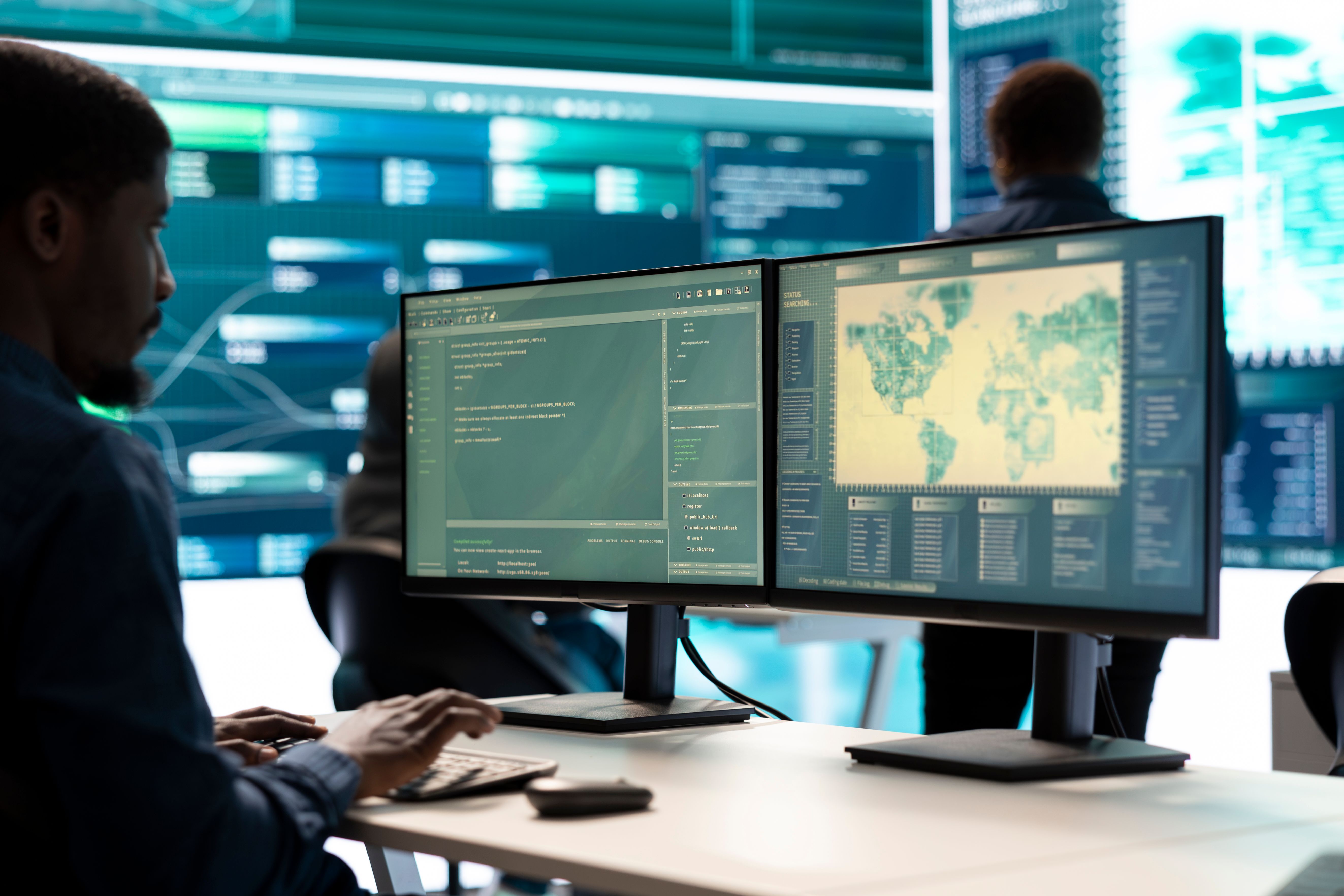
Solutions like SupplySense 360 provide real-time tracking, predictive delay insights, and multi-carrier integration across 200+ countries. By consolidating shipment data into a single platform, businesses gain complete visibility and control over their supply chain operations.
Conclusion
End-to-end supply chain visibility is no longer optional; it’s a necessity for modern logistics.
Companies that invest in visibility tools can reduce delays, improve efficiency, and deliver better customer experiences.