
Landed Cost: What It Is and How to Calculate It Accurately
Learn what landed cost means, how to calculate it, and why accurate cost visibility is essential for improving margins and supply chain efficiency.


In global trade, the price you pay for goods goes far beyond the purchase price. To truly understand profitability, businesses must calculate the landed cost. Without accurate landed cost calculations, companies risk underpricing products, losing margins, or facing unexpected expenses.
What Is Landed Cost?
"Landed cost" refers to the total cost of a product once it has arrived at its final destination. It includes all expenses incurred throughout the supply chain, not just the product cost.
What Is Included in Landed Cost?
A complete landed cost calculation typically includes the following:
- Product cost (purchase price)
- Freight and transportation costs
- Duties and tariffs
- Taxes (VAT, import taxes)
- Insurance
- Handling and port fees
- Customs clearance costs
Understanding all these components is essential for accurate cost forecasting.
How to Calculate Landed Cost
The basic formula for landed cost is: Landed Cost = Product Cost + Shipping + Duties + Taxes + Additional Fees

For example, if a product costs $1,000 and shipping, duties, and fees total $300, the landed cost is $1,300. However, real-world calculations are often more complex due to fluctuating tariffs, currency exchange rates, and hidden fees.
Why Accurate Landed Cost Matters
Accurate landed cost calculations help businesses
- Set profitable pricing strategies.
- Avoid unexpected expenses.
- Improve margin control.
- Optimize sourcing decisions.
- Compare suppliers effectively
Without this visibility, companies may underestimate costs and erode profitability.
Common Challenges in Landed Cost Calculation
Many businesses struggle with:
- Incomplete cost data
- Changing tariff rates
- Manual calculation errors
- Lack of real-time updates
- Hidden fees and surcharges
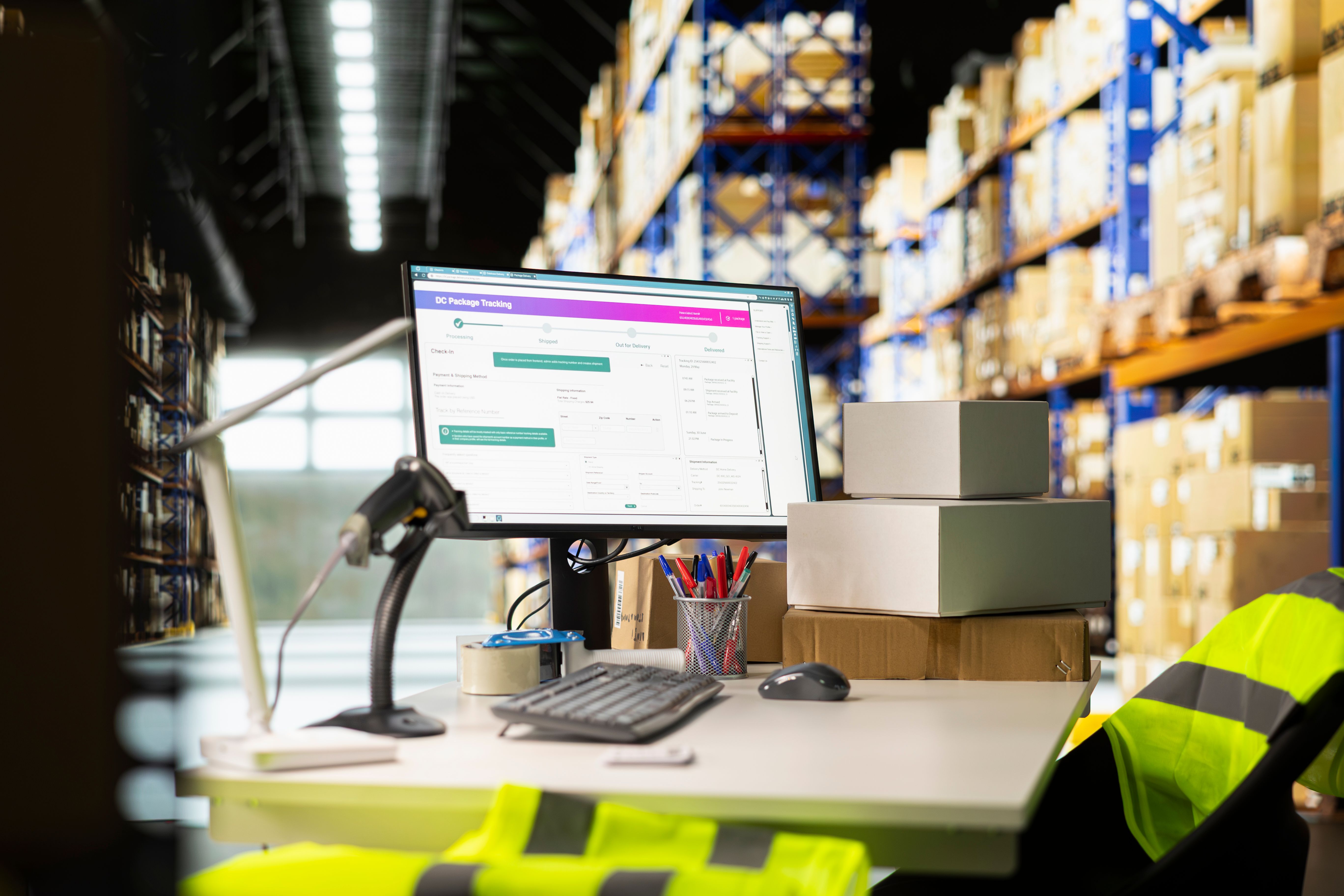
To overcome these challenges, companies need tools that provide real-time cost visibility. Platforms like SupplySense 360 offer automated landed cost calculations, tariff updates, and predictive insights, helping businesses accurately forecast costs and protect margins.
Best Practices for Managing Landed Costs
- Use automated tools for cost calculation.
- Monitor tariff and regulatory changes.
- Analyze historical shipping costs.
- Optimize shipping routes and carriers.
- Factor in all hidden fees
These practices help ensure more accurate and consistent cost management.
Conclusion
Landed cost is a critical metric for any business involved in global trade. By understanding and accurately calculating total costs, companies can improve pricing, protect margins, and make smarter supply chain decisions.