
Port Congestion: Supply Chain Impact and How Businesses Can Respond
Port congestion can disrupt global supply chains, delay shipments, and increase freight costs. Learn what causes port congestion and how businesses can reduce its impact.


Port congestion has become one of the most visible challenges in global logistics. When container ports become overwhelmed with incoming ships and cargo, delays ripple across the entire supply chain.
From manufacturers waiting on raw materials to retailers anticipating seasonal inventory, port congestion can disrupt operations far beyond the port itself.
Understanding why port congestion happens and how to mitigate its impact is critical for modern supply chain resilience.
What Is Port Congestion?
Port congestion occurs when cargo volumes exceed the operational capacity of a port, causing ships, containers, and trucks to wait longer than normal to load or unload goods.
This bottleneck slows the flow of cargo through the logistics network.
Common signs of port congestion include:
- Long vessel queues waiting offshore
- Containers piling up in terminals
- Truck appointment delays
- Slower customs processing
When congestion persists, supply chain timelines quickly become unpredictable.
What Causes Port Congestion?
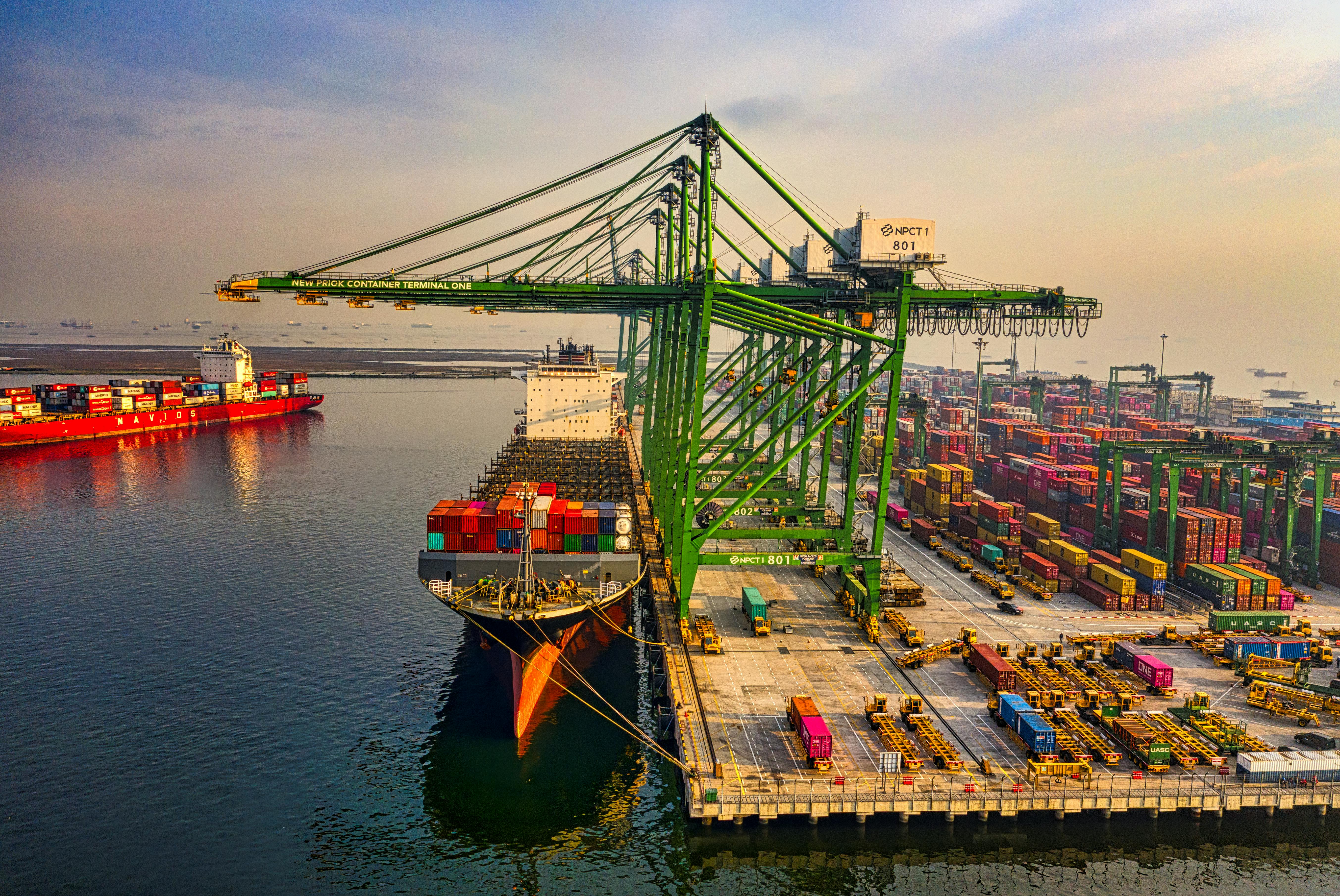
Several factors can contribute to port congestion:
- Sudden surges in shipping demand
- Labor shortages or strikes
- Limited port infrastructure capacity
- Weather disruptions
- Customs clearance delays
- Equipment shortages (chassis, cranes, trucks)
Because ports serve as major gateways for international trade, congestion at just a few global hubs can impact supply chains worldwide.
The Supply Chain Impact of Port Congestion
Port congestion can create a cascade of logistical challenges:
- Shipment delays lasting days or weeks
- Increased freight and storage costs
- Demurrage and detention fees
- Missed delivery windows
- Production delays for manufacturers
For companies operating with tight inventory schedules — such as just-in-time manufacturing — even small delays can cause major disruptions.
How Businesses Can Reduce the Impact
While companies cannot control port congestion itself, they can improve visibility and planning to reduce its operational impact.
Strategies include:
- Monitoring port activity and congestion trends
- Diversifying port entry points
- Adjusting shipping schedules earlier
- Using predictive shipment tracking
- Improving coordination between carriers and logistics teams
This is where real-time logistics intelligence becomes essential.
Platforms like SupplySense 360 provide supply chain teams with real-time shipment tracking, predictive ETAs, and port analytics, allowing companies to detect disruptions early and reroute or adjust logistics plans before delays escalate.
When businesses gain visibility into global shipping conditions, they can make faster, smarter decisions.
Final Thoughts on Port Congestion
Port congestion is an unavoidable reality of global trade, but its impact can be managed with better data and supply chain visibility.
Visibility transforms uncertainty into strategy.