PRO Number: What It Is and How to Track Shipments Using It
Learn what a PRO number is in logistics, how it works, and how businesses use it to track freight shipments across the supply chain


In freight transportation, tracking shipments accurately is critical for maintaining visibility and avoiding costly delays. One of the most important identifiers used in freight logistics is the PRO number. Whether you’re a shipper, freight forwarder, or 3PL provider, understanding how PRO numbers work can improve shipment tracking and communication across your supply chain.
What Is a PRO Number?
A PRO number is a unique tracking number assigned to a freight shipment by a carrier. It is primarily used in LTL (Less-Than-Truckload) shipping to identify and monitor shipments throughout transit. Think of it as the freight industry’s version of a package tracking number.
Why PRO Numbers Matter
A PRO number allows businesses to
- Track shipment status in real time.
- Confirm pickup and delivery milestones.
- Improve communication between shippers and carriers.
- Resolve shipment issues faster.
- Maintain visibility across freight operations
Without a PRO number, locating or managing a shipment becomes much more difficult.
How PRO Number Tracking Works
Once a carrier assigns a PRO number, it becomes linked to shipment details such as the following:
- Pickup location
- Destination
- Shipment status
- Delivery updates
- Carrier handling information
Businesses can then use the PRO number on a carrier’s tracking portal or integrated logistics platform to monitor shipment movement.
PRO Number vs Other Tracking Numbers
A PRO number is often confused with other logistics identifiers, but they serve different purposes:
- PRO Number: Carrier-assigned freight tracking number
- Bill of Lading (BOL): Legal shipping document outlining shipment details
- Purchase Order (PO): Buyer’s order document
The PRO number is specifically focused on shipment tracking and carrier visibility.
Common Challenges with PRO Number Tracking
Businesses may face issues such as the following:
- Limited real-time updates
- Multiple carrier systems and fragmented data
- Manual tracking processes
- Delayed exception notifications
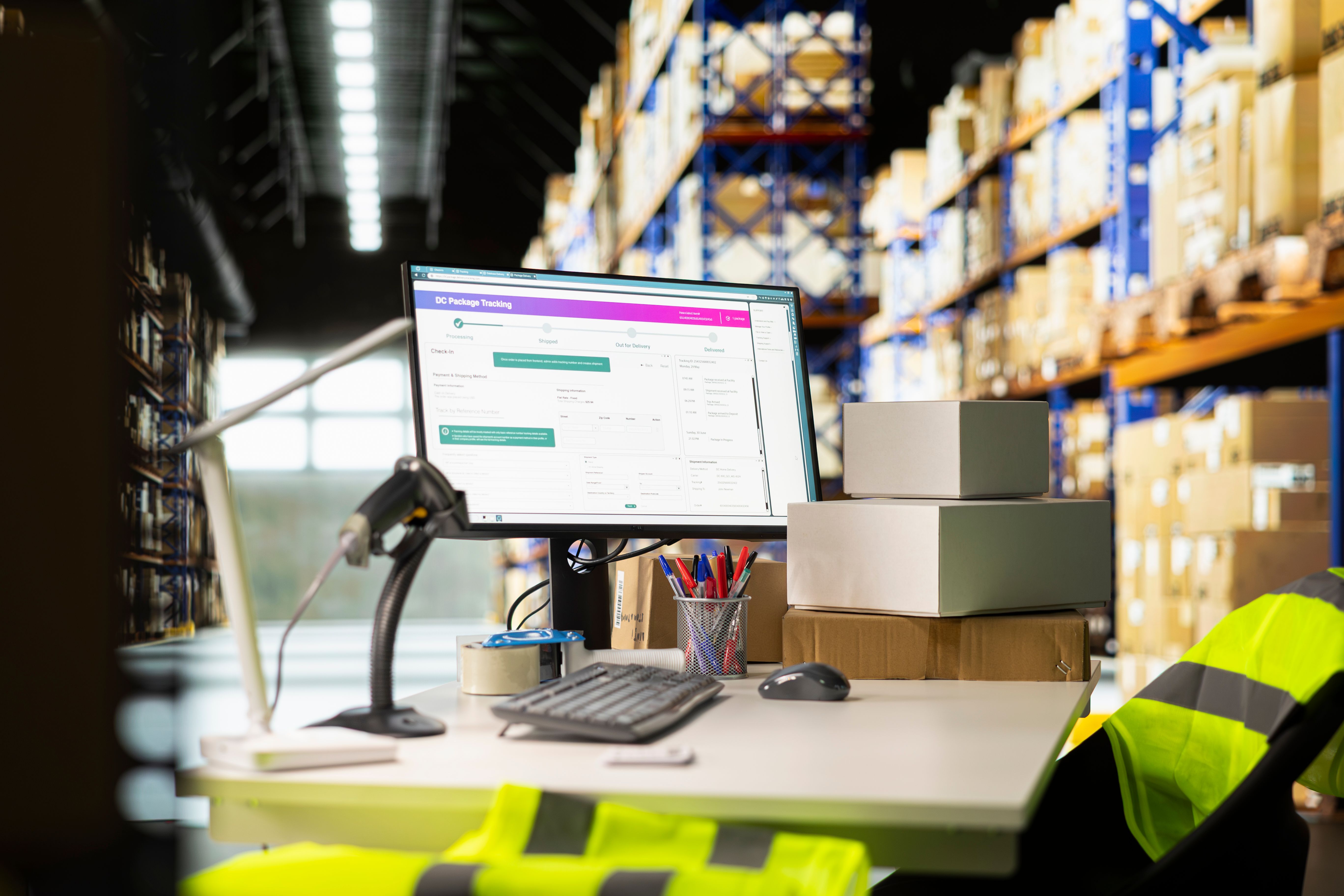
This is why many companies use platforms like SupplySense 360 to centralize shipment visibility across carriers and transportation modes. With real-time tracking and automated alerts, logistics teams can monitor shipments more efficiently and respond faster to disruptions.
Best Practices for Managing PRO Numbers
To improve freight visibility:
- Store PRO numbers in a centralized system.
- Share tracking details with customers proactively.
- Integrate carrier tracking into supply chain platforms.
- Use automated alerts for shipment exceptions
These practices help reduce delays and improve communication throughout the shipping process.
Conclusion
PRO numbers are a foundational part of freight tracking and shipment visibility. By understanding how they work and leveraging real-time tracking tools, businesses can improve logistics coordination, reduce delays, and deliver a better customer experience.