
Spot Rates vs. Contract Rates: Which Should You Use When?
Understand the differences between spot rates and contract rates in freight shipping, when to use each, and how businesses can optimize transportation costs with smarter carrier selection.


Freight rates can significantly impact supply chain costs, especially in volatile markets. One of the biggest decisions logistics managers face is whether to ship using spot rates or contract rates. While both pricing models have their place, choosing the wrong one can lead to higher transportation costs, unreliable service, or missed business opportunities. Understanding when to use each pricing strategy helps businesses strike the right balance between flexibility and cost control.
What Are Spot Rates?
Spot rates are one-time freight prices quoted for an individual shipment based on current market conditions. Unlike negotiated long-term agreements, spot rates fluctuate depending on factors such as:
- Carrier capacity
- Seasonal demand
- Fuel prices
- Market competition
- Route availability
Spot pricing gives shippers the flexibility to secure transportation when needed without committing to long-term contracts.
What Are Contract Rates?
Contract rates are negotiated freight prices agreed upon between a shipper and carrier for a specified period, often six months to a year. These agreements typically include:
- Fixed pricing
- Service-level commitments
- Guaranteed capacity
- Lane-specific rates
- Volume agreements
Contract rates provide pricing stability and help businesses forecast transportation expenses more accurately.
Spot Rates vs. Contract Rates
| Spot Rates | Contract Rates |
|---|---|
| Market-driven pricing | Fixed negotiated pricing |
| Greater flexibility | Greater cost predictability |
| Best for occasional shipments | Best for consistent shipping volumes |
| Rates fluctuate frequently | Stable pricing over time |
| Capacity not guaranteed | Capacity often reserved |

When Should You Use Spot Rates?
Spot rates work best when:
- Shipping volumes are unpredictable
- You need emergency shipments
- Freight demand is seasonal
- Market rates are temporarily lower than contract pricing
- Testing new transportation lanes
Businesses that ship infrequently often benefit from the flexibility spot pricing provides.
When Should You Use Contract Rates?
Contract rates are ideal when:
- Shipping volumes are consistent
- Budget forecasting is important
- Reliable carrier capacity is required
- Long-term carrier relationships are a priority
- Service consistency matters
Organizations with regular freight movements often achieve better long-term value through negotiated contracts.
Can You Use Both?
Absolutely. Many successful supply chains combine both strategies. For example:
- Contract rates cover routine freight movements.
- Spot rates handle overflow shipments, seasonal demand, or unexpected capacity shortages.
This hybrid approach provides both stability and flexibility.
How SupplySense 360 Helps Optimize Freight Decisions
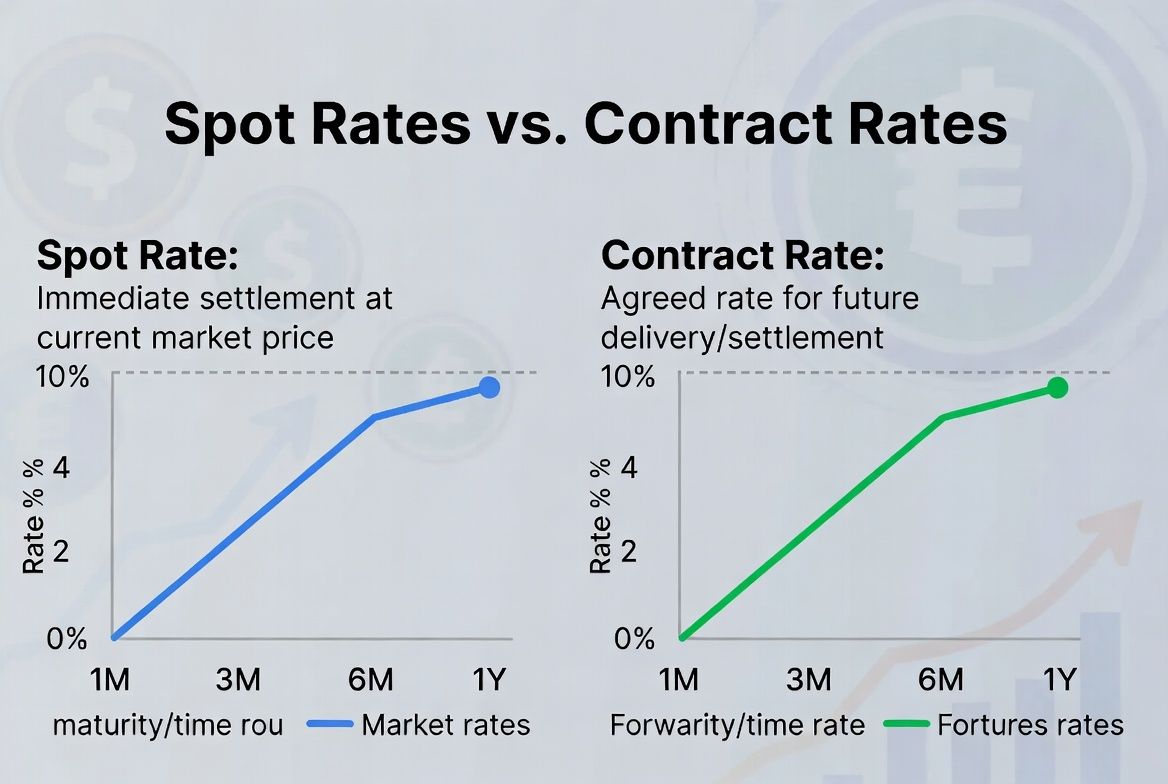 Choosing between spot and contract rates requires timely, accurate data.
SupplySense 360 helps businesses make smarter freight procurement decisions through:
Choosing between spot and contract rates requires timely, accurate data.
SupplySense 360 helps businesses make smarter freight procurement decisions through:
- Multi-carrier rate comparison
- Carrier performance analytics
- Real-time shipment visibility
- Transportation intelligence dashboards
- Predictive logistics insights
These capabilities help organizations balance cost, service quality, and operational resilience.
Conclusion
Neither spot rates nor contract rates are universally better; they serve different business needs. The most effective freight strategies combine market awareness with long-term planning, allowing businesses to control costs without sacrificing service.