
What Is a Backorder? Meaning, Causes, and How to Prevent Delays
Learn what a backorder is, why it happens in supply chains, and how businesses can reduce backorders with better forecasting and real-time visibility.


If you’ve ever placed an order only to be told it’s “on backorder,” you’ve experienced one of the most common supply chain disruptions.
But what exactly is a backorder, and what does it signal about operational performance?
A backorder occurs when a customer places an order for a product that is temporarily out of stock, but the company still accepts the order with the promise of future fulfillment.
Unlike a canceled order, a backorder means:
- Demand exists.
- Inventory is unavailable.
- Fulfillment is delayed.
Backorders are common in retail, manufacturing, and e-commerce, especially during high-demand periods.
Why Do Backorders Happen?
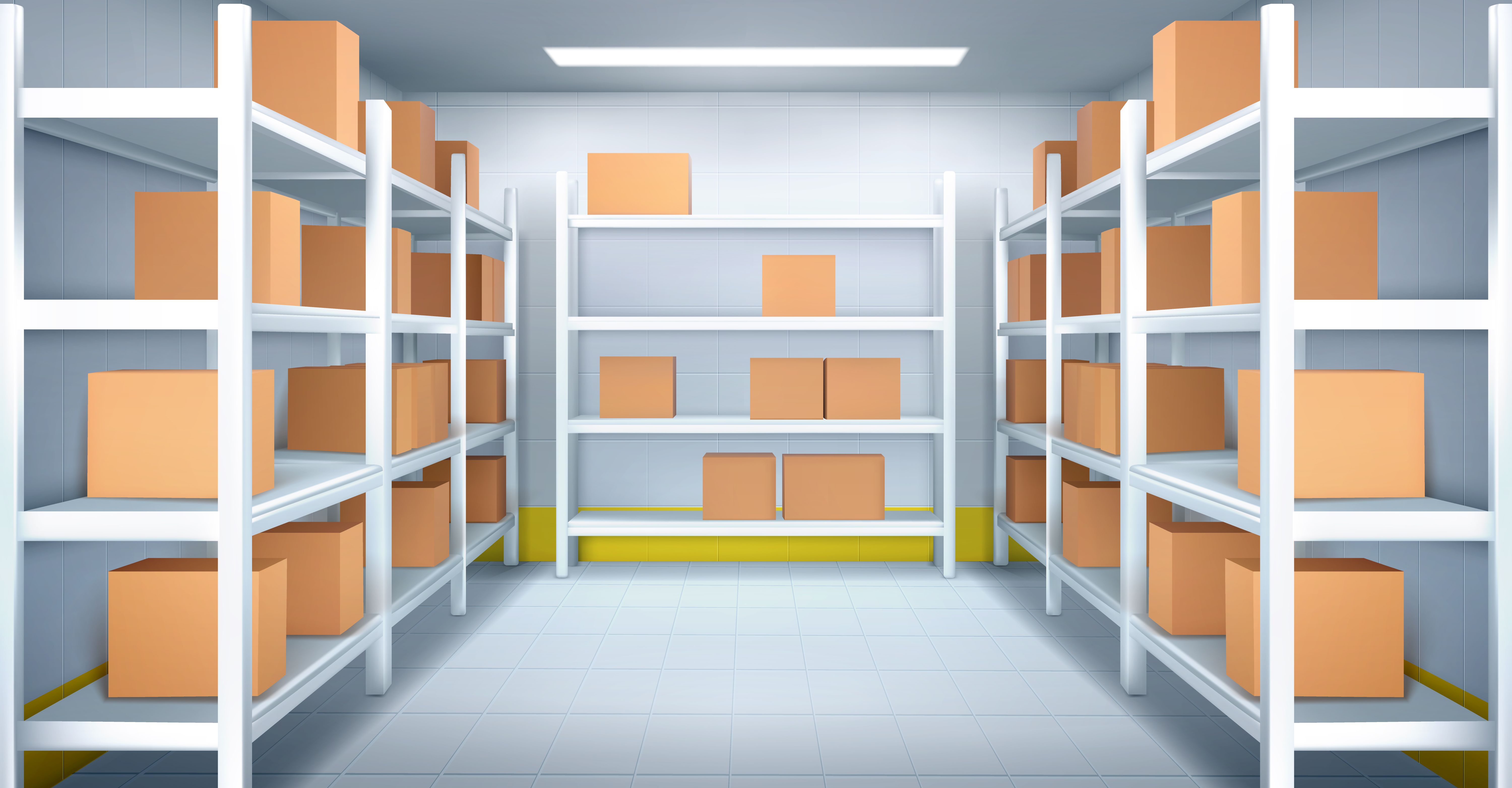
Backorders typically result from:
- Inaccurate demand forecasting
- Supply chain disruptions
- Production delays
- Supplier stock shortages
- Transportation bottlenecks
When inventory data is outdated or fragmented across systems, businesses may continue accepting orders without realizing stock levels are critically low.
The Hidden Risks of Backorders
While backorders can signal strong demand, they also carry risks:
- Reduced customer satisfaction
- Increased cancellation rates
- Revenue delays
- Higher customer service workload
- Damage to brand trust
In B2B environments, repeated backorders can even impact long-term contracts and SLAs.
How to Prevent Backorders
Preventing backorders requires proactive visibility, not reactive updates.
Companies can reduce backorder risk by:
- Improving real-time inventory tracking
- Monitoring supplier lead times
- Using predictive demand analytics
- Tracking shipment exceptions before stockouts occur.
- Aligning procurement cycles with sales trends

With SupplySense 360, businesses gain centralized visibility across shipments, suppliers, and fulfillment performance. Real-time tracking and predictive analytics allow teams to identify delays early before they translate into stockouts and backorders.
When logistics, procurement, and fulfillment data are unified, inventory gaps become preventable instead of inevitable.
Conclusion
Backorders are not just inventory problems; they are visibility problems.
Businesses that rely on fragmented data will always struggle with delayed fulfillment. But companies that invest in real-time supply chain intelligence gain control over inventory flow and customer expectations.
Reduce uncertainty. Improve fulfillment reliability.
Get a demo of SupplySense 360 and see how real-time visibility helps prevent costly backorders.