What Is a Control Tower in Supply Chain Management? A Complete Guide
Learn what a supply chain control tower is, how it works, and how it provides real-time visibility, predictive insights, and centralized logistics management.


As global supply chains become more complex, businesses need better ways to monitor, manage, and optimize logistics operations. This is where the concept of a supply chain control tower comes in. A control tower provides centralized visibility and intelligence, helping companies track shipments, respond to disruptions, and make data-driven decisions in real time.
What Is a Supply Chain Control Tower?
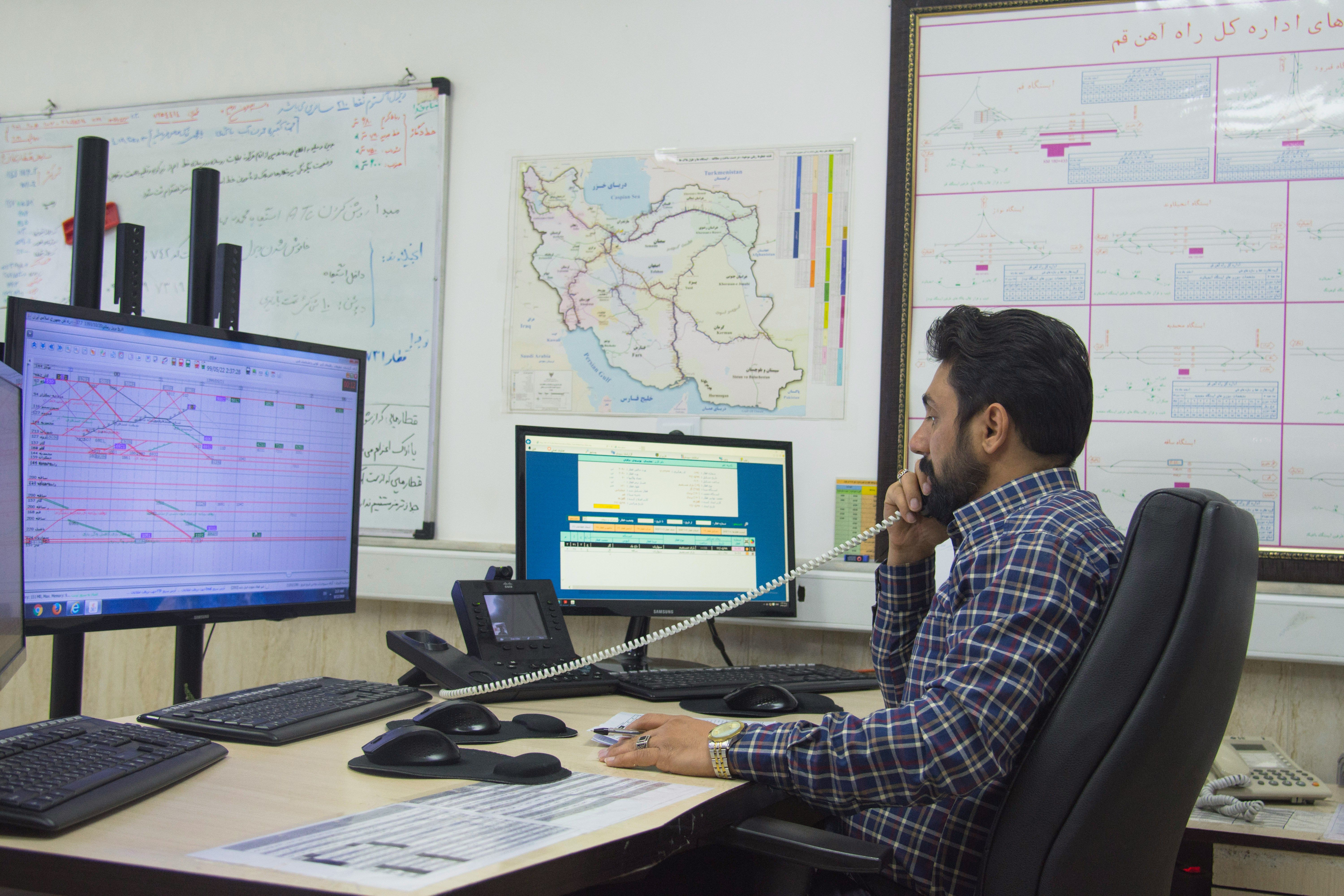
A supply chain control tower is a centralized digital platform that provides end-to-end visibility across supply chain operations. It aggregates data from multiple sources such as carriers, warehouses, ports, and suppliers into a single, unified dashboard. This allows logistics teams to:
- Monitor shipments in real time
- Track performance across carriers and routes
- Identify disruptions early
- Make faster, informed decisions
How a Control Tower Works
A control tower integrates data from various systems, including:
- Transportation Management Systems (TMS)
- Warehouse Management Systems (WMS)
- Carrier tracking systems
- IoT devices and sensors
It then uses analytics and automation to transform this data into actionable insights. Key capabilities include: - Real-time shipment tracking
- Predictive ETA calculations
- Exception alerts and notifications
- Performance analytics dashboards
Benefits of a Supply Chain Control Tower
1. End-to-End Visibility
Gain a complete view of your supply chain from origin to final delivery.
2. Proactive Disruption Management
Identify delays, port congestion, or shipment exceptions before they escalate.
3. Improved Decision-Making
Use real-time data and analytics to optimize routing, inventory, and carrier selection.
4. Enhanced Collaboration
Align teams, partners, and stakeholders with a shared source of truth.
Control Tower vs Traditional Tracking Systems
Traditional tracking systems provide limited, fragmented updates. A control tower goes further by offering:
- Centralized data across all logistics partners
- Predictive insights, not just status updates
- Automated alerts and recommendations
- Performance benchmarking and analytics
The Role of AI and Real-Time Data
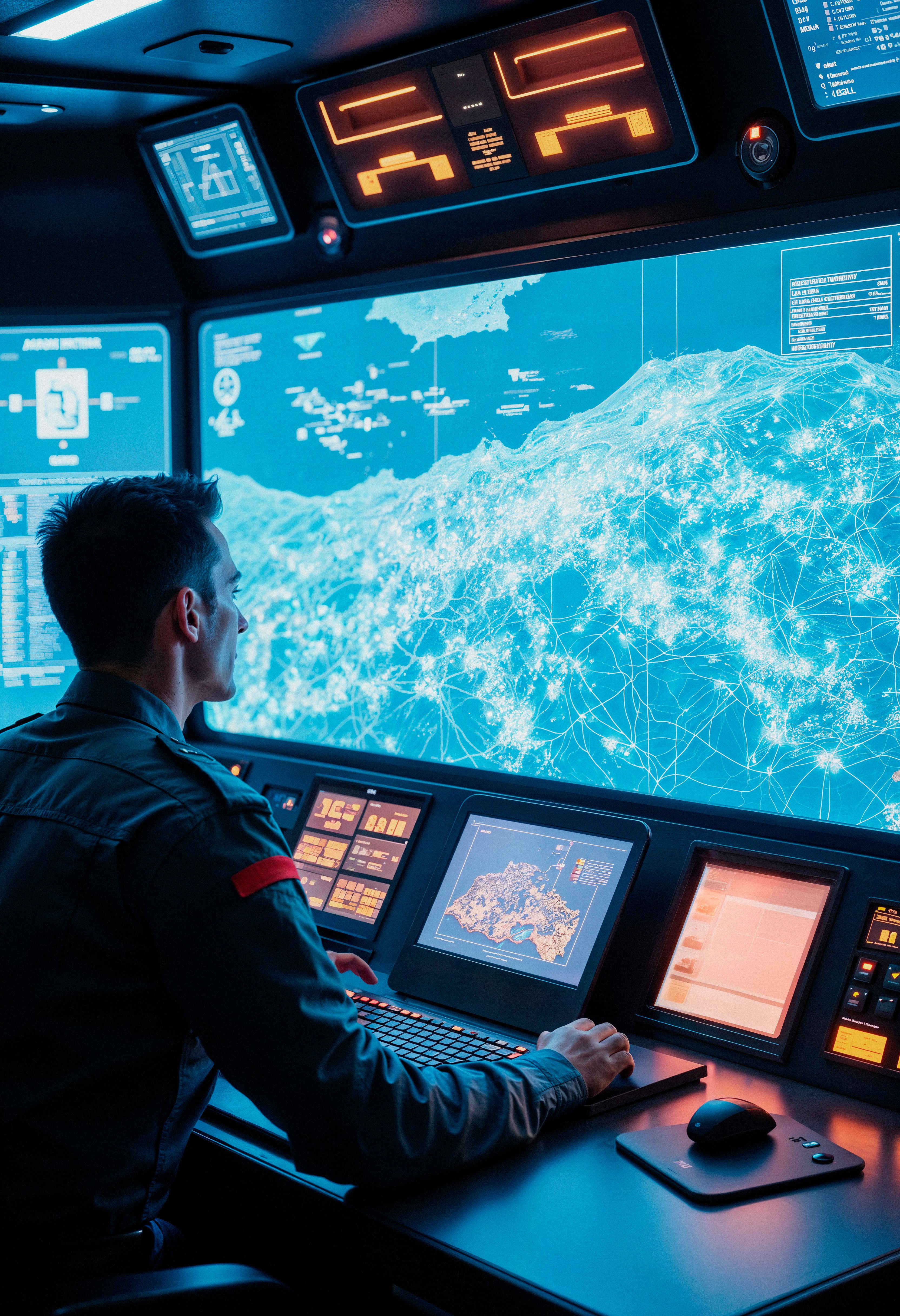
Modern control towers rely on AI and real-time data to deliver deeper insights. Platforms like SupplySense 360 function as a next-generation supply chain control tower combining real-time tracking, predictive delay alerts (up to 48 hours in advance), and performance analytics across multi-modal transportation networks. This enables businesses to move from reactive logistics management to proactive, data-driven operations.
Conclusion
A supply chain control tower is no longer a luxury; it’s a necessity for managing modern logistics complexity. Companies that invest in centralized visibility and predictive intelligence gain better control over operations, reduce disruptions, and improve overall supply chain performance.
Get a demo of SupplySense 360 to experience the power of a real-time supply chain control tower.