
What Is Last Mile Delivery? Why the Final Step Matters Most
What is last-mile delivery? Learn how last-mile logistics works, common challenges, costs, and how businesses can optimize final-mile delivery for better customer satisfaction.


In today’s fast-paced supply chains, speed and visibility matter more than ever. But no stage of logistics impacts the customer experience more than last mile delivery.
Last mile delivery refers to the final step of the shipping process when goods move from a distribution center or transportation hub to the end customer.
Whether it’s an e-commerce package arriving at a doorstep or a pallet delivered to a retail store, the last mile is where logistics performance becomes visible to the customer.
How Last Mile Delivery Works
After goods travel via air, ocean, rail, or long-haul trucking, they arrive at a local distribution center. From there:
- Shipments are sorted by destination.
- Routes are planned for efficiency.
- Delivery vehicles transport goods to their final stop.
- Proof of delivery is captured.
This final handoff often determines whether a customer views the entire supply chain as reliable.
Why Last Mile Delivery Is So Challenging
Despite being the shortest leg of the journey, last mile delivery can account for over 50% of total shipping costs.
Common challenges include:
Urban Congestion
Traffic delays and restricted delivery zones increase transit times.
High Customer Expectations
Customers expect same-day or next-day delivery with real-time tracking updates.
Failed Deliveries
Missed drop-offs lead to redelivery costs and customer frustration.
Route Inefficiencies
Poor route planning increases fuel costs and reduces delivery capacity.
Because it directly impacts customer satisfaction, businesses must treat last mile as a strategic priority, not an afterthought.
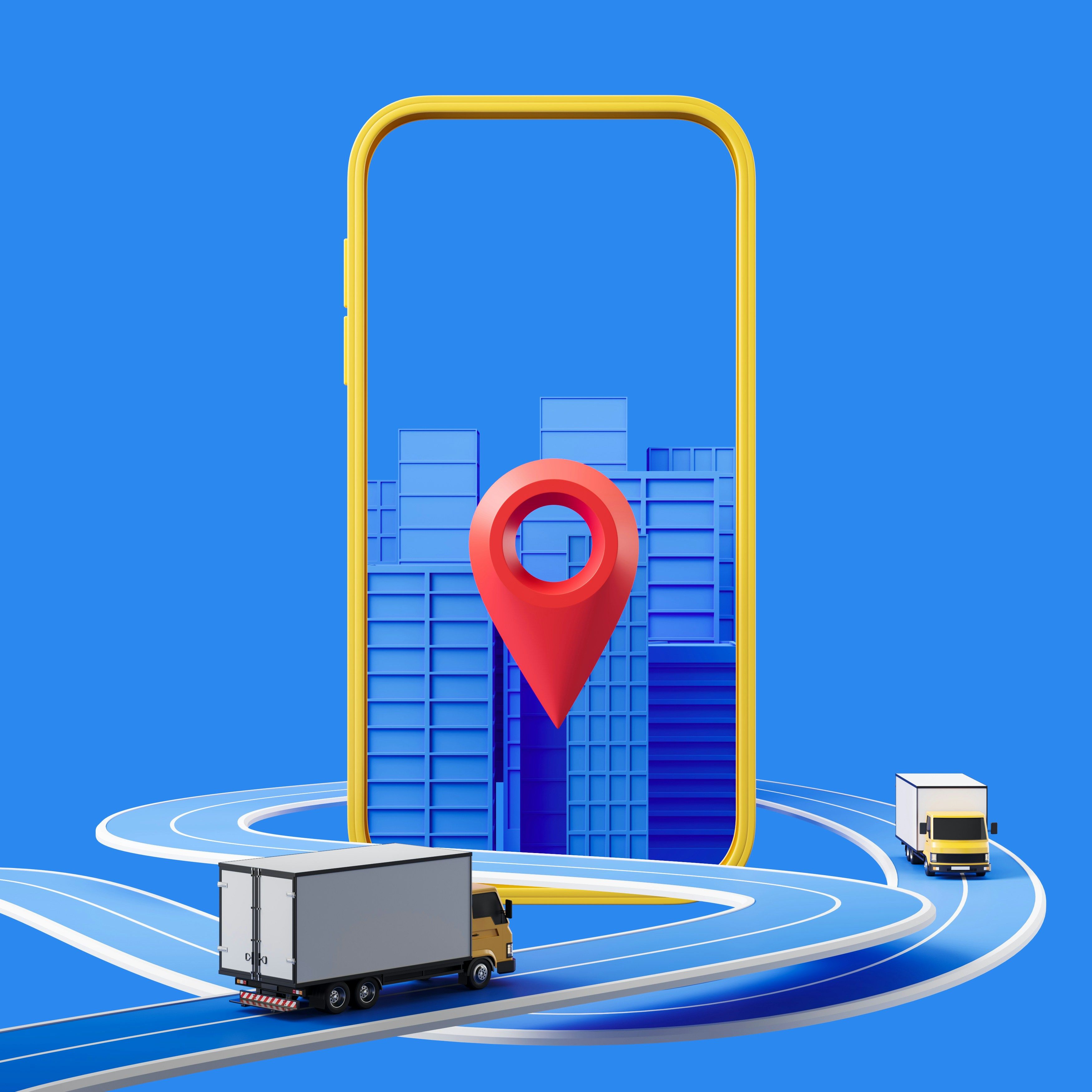
The Importance of Real-Time Visibility in Last Mile Logistics
Visibility is critical in last-mile operations.
Businesses need:
- Real-time delivery tracking
- Automated customer notifications
- Exception alerts for delays
- Accurate ETAs
- Delivery confirmation and proof
Predictive analytics can further improve last mile performance by anticipating traffic delays, weather disruptions, or delivery bottlenecks.
How Companies Optimize Last Mile Delivery
To improve efficiency and reduce costs, businesses focus on:
Route Optimization Software
AI-driven route planning reduces mileage and fuel consumption.
Micro-Fulfillment Centers
Locating inventory closer to customers shortens delivery distance.
Performance Analytics
Tracking KPIs such as on-time delivery rates and failed delivery percentages.
Automated Notifications
Keeping customers informed reduces support inquiries.
Conclusion
Last mile delivery may be the shortest distance in the supply chain, but it carries the greatest impact on customer experience and brand reputation.
As e-commerce and customer expectations continue to grow, businesses that invest in real-time tracking, route optimization, and predictive analytics will outperform competitors.
Discover how SupplySense360’s Shipment Visibility tools help you track deliveries in real time, manage exceptions proactively, and improve on-time performance.