
Feedering in Shipping: What It Means in Global Container Logistics
Learn what feedering means in container shipping, how feeder vessels support global trade, and why they are critical for efficient port logistics


In global container shipping, not every port can accommodate large ocean vessels. This is where feedering plays an important role. Feedering refers to the movement of containers between smaller regional ports and major international hub ports using smaller ships called feeder vessels. This system allows cargo to reach destinations that large container ships cannot directly access. Without feedering, global trade networks would be far less efficient.
What Is Feedering in Shipping?
Feedering is part of the hub-and-spoke logistics model used in international shipping.
In this model:
- Large container ships transport cargo between major global ports (hubs).
- Smaller feeder vessels move containers between regional ports (spokes) and the hubs
For example, cargo from a smaller port might first travel via feeder vessel to a major hub like Singapore or Rotterdam, where it is then loaded onto a large container ship for international transport.
This system helps maximize vessel efficiency and expand global shipping coverage.
What Is a Feeder Vessel?
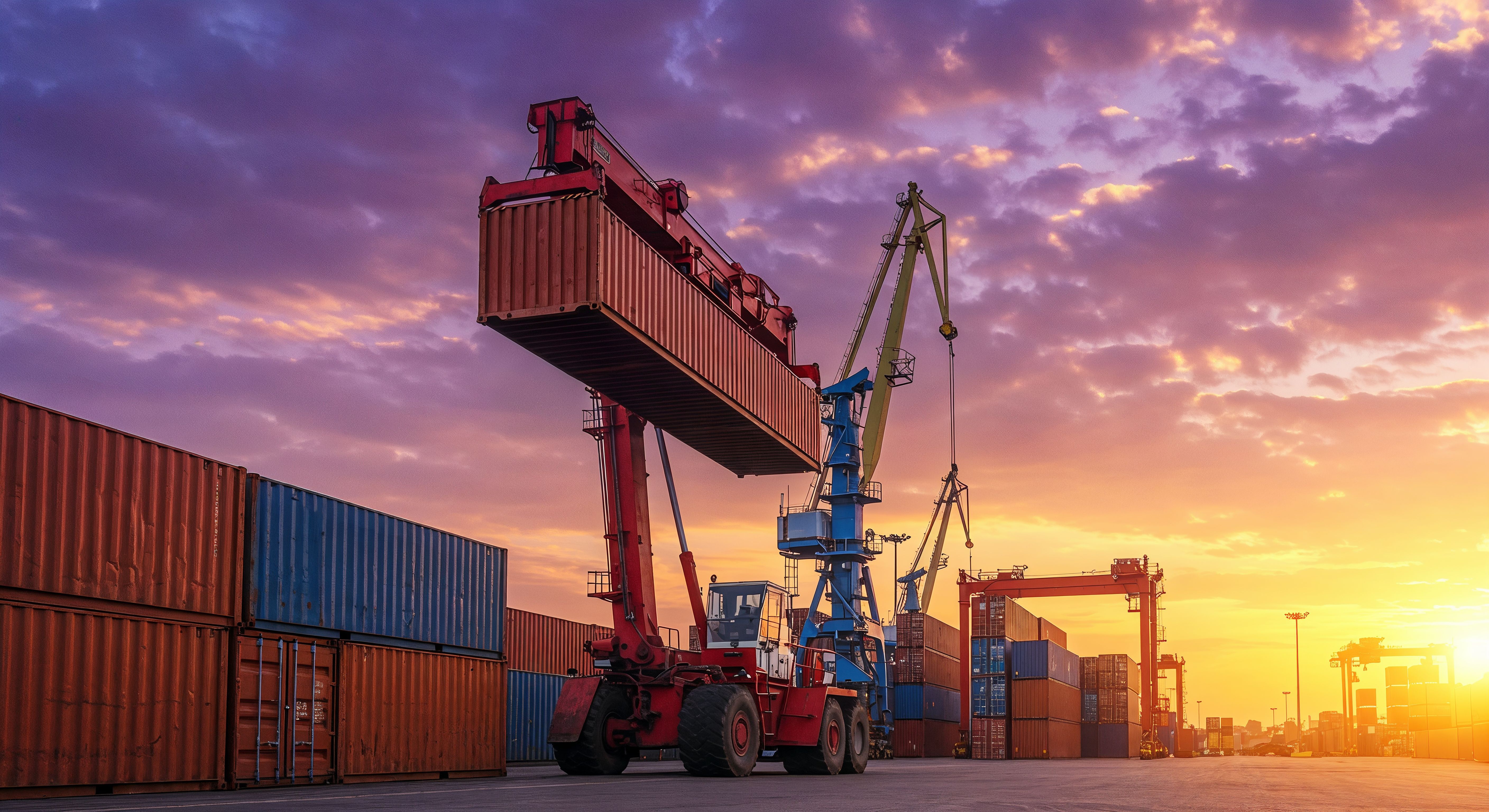
Feeder vessels typically:
- Carry smaller container volumes than mainline ships.
- Operate shorter regional routes.
- Connect remote ports to global shipping networks
These ships play a critical role in ensuring cargo flows smoothly between local economies and international markets.
Why Feedering Is Important for Global Trade
Feeder services enable logistics networks to operate more efficiently by:
- Connecting smaller ports to global trade routes
- Reducing congestion at major ports
- Allowing large vessels to focus on long-haul routes
- Improving cargo distribution across regions
Because shipments often pass through multiple ports and vessels, visibility becomes essential. Platforms like SupplySense 360 help logistics teams track container movements across feeder routes, mainline vessels, and inland transport, providing real-time insight into shipment status across the entire journey. This level of transparency allows companies to anticipate delays, coordinate operations, and improve supply chain planning.
Challenges with Feeder Shipping
Despite its benefits, feedering can introduce additional logistics challenges:
- Extra handling at transshipment ports
- Potential delays during container transfers
- Coordination between multiple carriers
- Limited visibility across multi-leg journeys
Conclusion
Feedering is a vital part of global container logistics, enabling cargo to move efficiently between regional ports and international trade routes. While the hub-and-spoke model increases global connectivity, it also adds complexity to shipment tracking and coordination. With real-time shipment intelligence and predictive logistics insights, platforms like [SupplySense 360] help companies maintain visibility across even the most complex global shipping networks. Get a demo to see how SupplySense 360 provides complete visibility across ocean freight and multi-leg shipping routes.