
Peak Season Surcharges: How to Budget for Them
Learn what peak season surcharges are, why carriers impose them, and practical strategies to budget for increased transportation costs while maintaining supply chain efficiency.


For many businesses, peak shipping seasons bring more than higher order volumes; they also bring higher transportation costs. As demand for trucks, containers, aircraft, and warehouse space increases, carriers often introduce Peak Season Surcharges (PSS) to manage capacity and offset operating costs. Without proper planning, these additional charges can significantly impact logistics budgets and profit margins. Fortunately, businesses that understand how peak season surcharges work can prepare in advance and minimize their financial impact.
What Is a Peak Season Surcharge?
A Peak Season Surcharge (PSS) is an additional fee that carriers apply during periods of exceptionally high shipping demand. These surcharges are common across multiple transportation modes, including:
- Ocean freight
- Air cargo
- Parcel delivery
- Trucking services
Why Do Carriers Charge Peak Season Surcharges?
Transportation providers have limited capacity. During busy periods such as holiday shopping seasons, major retail events, or harvest cycles, shipping demand often exceeds available equipment and carrier capacity. Peak season surcharges help carriers:
- Manage excess demand
- Offset higher operating costs
- Prioritize available transportation capacity
- Balance network utilization
While these charges increase shipping expenses, they also encourage more efficient use of limited transportation resources.
When Are Peak Season Surcharges Most Common?
Peak surcharges vary by region and transportation mode but frequently occur during:
- Holiday retail seasons
- Back-to-school inventory replenishment
- Lunar New Year shipping rushes
- Agricultural harvest periods
- Major import/export surges
Because global supply chains are interconnected, congestion in one region can influence freight pricing worldwide.

How to Budget for Peak Season Surcharges
Forecast Seasonal Demand
Review historical shipping data to estimate transportation needs before peak periods begin.
Secure Capacity Early
Negotiating transportation capacity before demand spikes may help reduce exposure to fluctuating market rates.
Diversify Carrier Relationships
Working with multiple carriers provides greater flexibility when capacity becomes constrained.
Build Contingency Budgets
Include seasonal transportation increases in annual logistics planning instead of treating them as unexpected expenses.
Monitor Market Conditions
Keeping track of freight market trends allows businesses to adjust procurement strategies before costs escalate.
The Role of Real-Time Visibility
Unexpected delays during peak season can create additional transportation costs beyond surcharges.
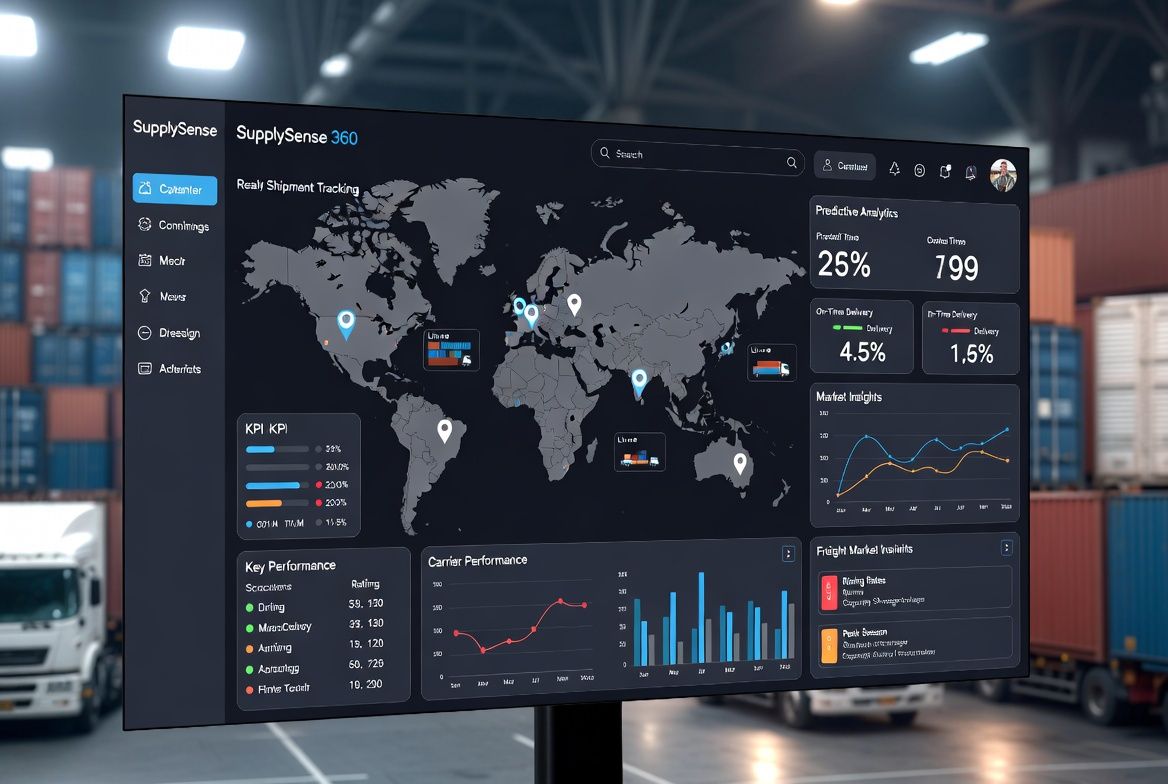 With SupplySense 360, businesses gain the visibility needed to navigate high-demand periods more effectively through:
- Real-time shipment tracking
- Predictive ETA updates
- Carrier performance monitoring
- Transportation analytics
- Exception management
These insights help logistics teams make faster decisions when capacity becomes limited and shipping conditions change.
Conclusion
Peak season surcharges are an unavoidable part of modern logistics, but they don't have to derail your transportation budget. By forecasting demand, strengthening carrier relationships, and leveraging real-time supply chain visibility, businesses can manage seasonal shipping costs with greater confidence.