
Real-Time Shipment Tracking: Why It Matters in Modern Logistics
Learn why real-time shipment tracking is essential for modern logistics, how it improves visibility, reduces delays, and helps businesses make smarter supply chain decisions


In today's global economy, customers expect accurate delivery updates, businesses demand greater operational visibility, and supply chains are under constant pressure to perform. Simply knowing that a shipment has been dispatched is no longer enough. Modern logistics relies on real-time shipment tracking to provide continuous visibility from origin to destination, helping businesses respond faster to disruptions and deliver better customer experiences.
What Is Real-Time Shipment Tracking?
Real-time shipment tracking is the ability to monitor the location and status of shipments as they move through the supply chain. Unlike traditional tracking, which may only update at major milestones, real-time tracking continuously collects and shares shipment information through technologies such as:
- GPS tracking
- Carrier integrations
- IoT sensors
- Mobile networks
- Cloud-based logistics platforms
The result is a live view of every shipment throughout its journey.
Why Real-Time Tracking Matters
Without shipment visibility, logistics teams often operate reactively. Delays, missed handoffs, or transportation disruptions may only become apparent after they've already impacted operations. Real-time tracking allows businesses to:
- Monitor shipments across multiple transportation modes
- Improve Estimated Time of Arrival (ETA) accuracy
- Detect delays as they occur
- Keep customers informed with timely updates
- Make faster operational decisions
Visibility transforms logistics from reactive to proactive.
Key Benefits of Real-Time Shipment Tracking
Improved Customer Experience
Accurate shipment updates reduce uncertainty and build customer confidence.
Faster Issue Resolution
Teams can quickly identify delays or exceptions and take corrective action before they escalate.
Better Operational Efficiency
Real-time insights improve planning for receiving, inventory, and warehouse operations.
Stronger Carrier Performance
Tracking data helps businesses evaluate carriers based on delivery reliability and service quality.

Common Challenges Without Real-Time Visibility
Organizations that lack shipment visibility often experience:
- Frequent customer inquiries about shipment status
- Missed delivery commitments
- Inefficient inventory planning
- Higher transportation costs
- Limited ability to respond to disruptions
As supply chains become more complex, these challenges become increasingly difficult to manage manually.
Real-Time Tracking Across Every Transportation Mode
Modern supply chains rely on multiple transportation methods. Effective shipment tracking should provide visibility across:
- Ocean freight
- Air cargo
- Road transportation
- Rail freight
- Parcel delivery
A unified view helps businesses manage complex logistics networks more efficiently.
How SupplySense 360 Improves Shipment Visibility
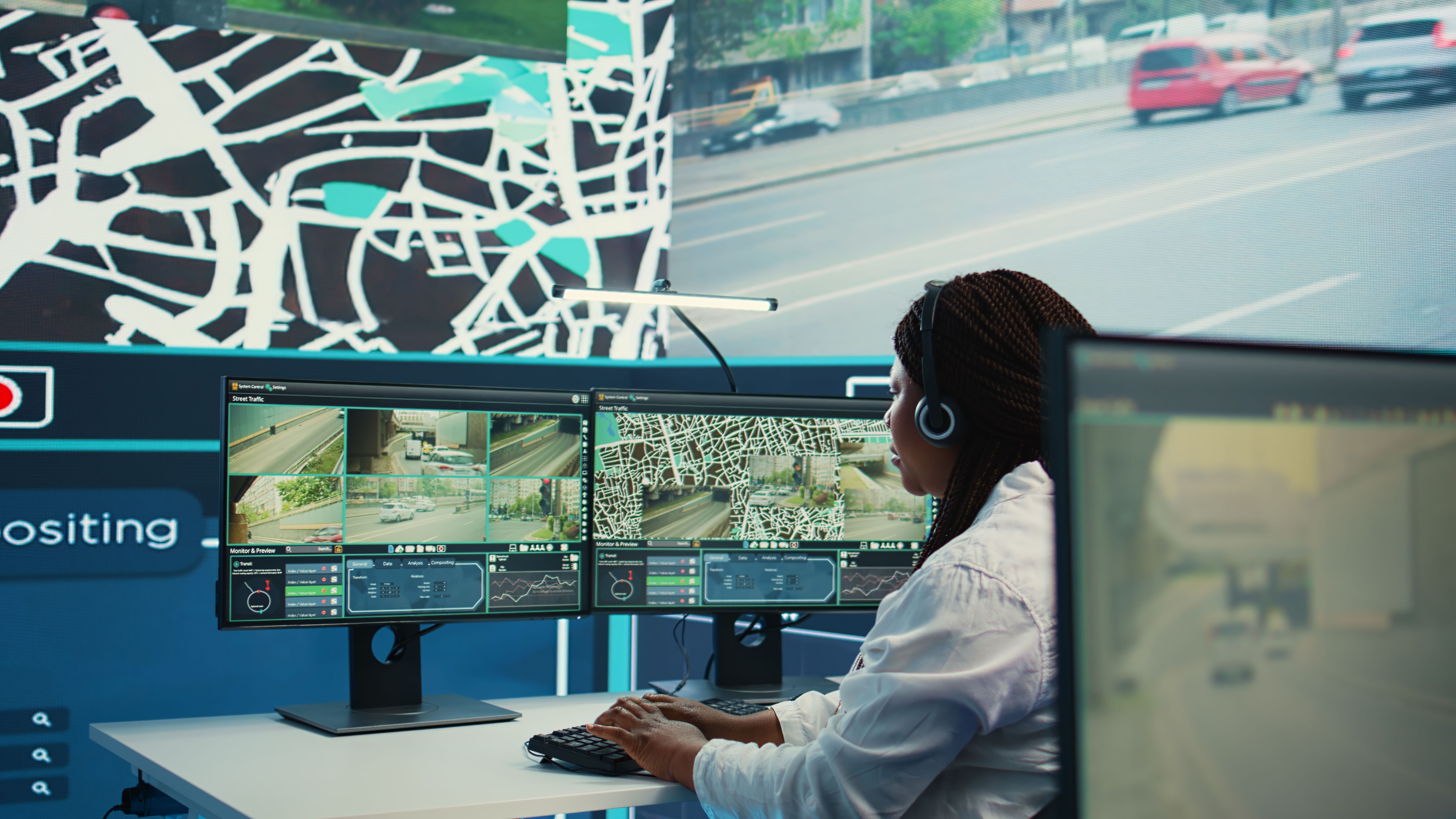 SupplySense 360 provides businesses with real-time shipment visibility across global supply chains.
The platform helps organizations:
SupplySense 360 provides businesses with real-time shipment visibility across global supply chains.
The platform helps organizations:
- Track shipments across air, ocean, road, rail, and parcel
- Receive predictive delay alerts
- Monitor carrier performance
- Improve ETA accuracy
- Manage shipment exceptions through a centralized control tower
Conclusion
Real-time shipment tracking has become a necessity for organizations that want to build resilient, efficient supply chains.
By combining live visibility with predictive insights, businesses can reduce disruptions, improve delivery performance, and strengthen customer trust.
Get a demo of SupplySense 360 to discover how real-time shipment tracking helps you gain complete visibility across your supply chain.