Supply Chain Bottlenecks: Common Causes and How to Prevent Them
Learn what supply chain bottlenecks are, the most common causes of logistics slowdowns, and practical strategies businesses can use to improve supply chain flow and operational efficiency.


A supply chain is only as strong as its weakest link. When one part of the supply chain slows down or becomes overloaded, the effects can ripple across operations, causing delays, increased costs, and frustrated customers. These disruptions are known as supply chain bottlenecks. In today's fast-moving logistics environment, identifying and eliminating bottlenecks is critical for maintaining efficiency and meeting customer expectations.
What Is a Supply Chain Bottleneck?
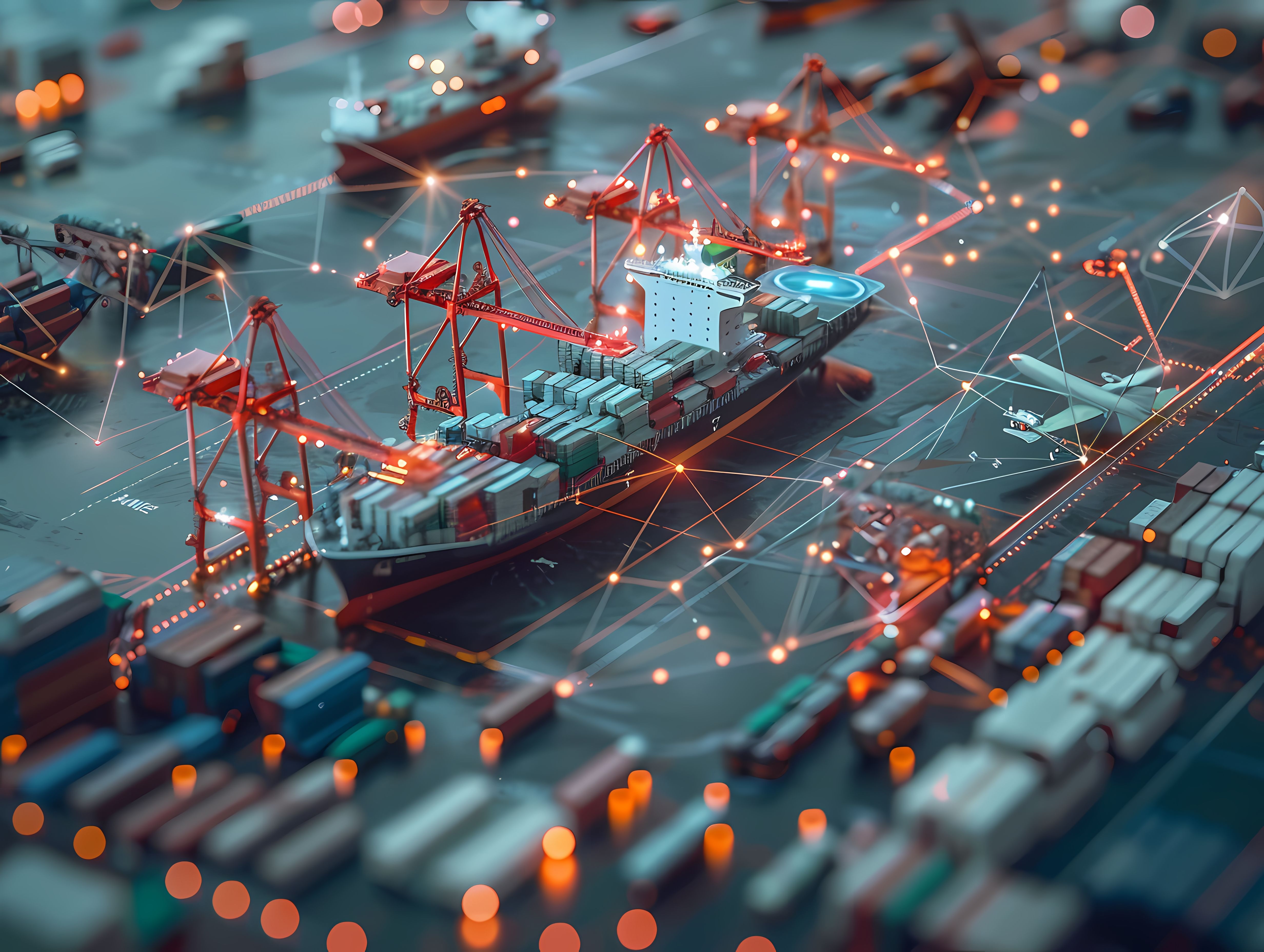
A supply chain bottleneck occurs when a specific process, resource, or location cannot handle the volume of work flowing through it. Just as a narrow section of road causes traffic congestion, bottlenecks restrict the movement of goods, information, or resources throughout the supply chain. Common bottlenecks can occur in:
- Manufacturing facilities
- Warehouses
- Transportation networks
- Ports and terminals
- Customs clearance processes
- Inventory replenishment systems
The result is slower operations and reduced supply chain performance.
Common Causes of Supply Chain Bottlenecks
1. Limited Transportation Capacity
Carrier shortages, equipment constraints, and transportation disruptions can create shipment delays and backlogs. When demand exceeds available capacity, goods may sit idle waiting for transportation.
2. Poor Supply Chain Visibility
Without real-time visibility, businesses often discover problems after they have already affected operations. Limited tracking and delayed communication make it difficult to respond quickly to disruptions.
3. Inventory Imbalances
Excess inventory in one location and shortages in another can slow fulfillment and create inefficiencies. Poor forecasting often contributes to these challenges.
4. Port Congestion
Busy ports can become major bottlenecks during peak seasons or periods of disruption. Containers may experience significant delays before moving to their next destination.
5. Manual Processes
Paper-based workflows and disconnected systems often slow decision-making and increase operational risk.

The Impact of Bottlenecks
When bottlenecks occur, businesses may experience the following:
- Delayed deliveries
- Increased transportation costs
- Reduced inventory availability
- Lower OTIF performance
- Customer dissatisfaction
Revenue loss Even small bottlenecks can create significant downstream effects if left unresolved.
How to Prevent Supply Chain Bottlenecks
Improve Visibility
Real-time shipment tracking and supply chain monitoring help teams identify issues before they escalate.
Diversify Transportation Options
Using multiple carriers and transportation modes reduces dependence on a single resource.
Strengthen Demand Forecasting
Better forecasting improves inventory positioning and resource planning.
Automate Workflows
Digital processes reduce delays caused by manual data entry and communication gaps.
Monitor Key Performance Indicators
Tracking metrics such as transit times, warehouse throughput, and OTIF performance helps identify emerging constraints.
The Role of SupplySense 360
 Supply chain bottlenecks are often visibility problems before they become operational problems.
SupplySense 360 helps businesses identify risks early through:
Supply chain bottlenecks are often visibility problems before they become operational problems.
SupplySense 360 helps businesses identify risks early through:
- Real-time shipment visibility
- Predictive delay alerts
- Carrier performance monitoring
- Supply chain control tower dashboards
- Exception management workflows
These capabilities help organizations respond proactively and keep goods moving efficiently.
Conclusion
Supply chain bottlenecks are unavoidable at times, but their impact can be significantly reduced through better planning, visibility, and technology. Businesses that identify constraints early and act quickly are better positioned to maintain service levels, control costs, and build more resilient supply chains.