
What Is Freight Consolidation and Why Does It Reduce Costs?
Learn how freight consolidation works, its benefits for shippers, and why combining shipments can reduce transportation costs and improve supply chain efficiency.


Transportation costs remain one of the largest expenses in supply chain operations. As businesses look for ways to improve efficiency and control freight spend, freight consolidation has become an increasingly popular strategy. By combining multiple smaller shipments into a larger shipment, organizations can improve transportation utilization while reducing shipping costs.
What Is Freight Consolidation?
Freight consolidation is the process of combining multiple smaller shipments from one or more shippers into a single shipment.
Instead of moving several partially filled trucks or containers, freight is grouped together and transported as one larger load. Once the shipment reaches a consolidation center or destination region, it can be separated and delivered to individual recipients. This approach improves transportation efficiency and maximizes available capacity.
How Freight Consolidation Works
A typical freight consolidation process includes:
- Multiple shipments are collected.
- Shipments are combined at a warehouse or consolidation center.
- Freight moves as a single larger shipment.
- The consolidated shipment is sorted and distributed at its destination.
This process can apply to:
- Truckload freight
- Less-than-truckload (LTL) shipments
- Ocean freight
- Air cargo
- Parcel shipments
Why Freight Consolidation Reduces Costs
Better Capacity Utilization
Transportation assets are used more efficiently when trucks and containers operate closer to full capacity.
Lower Freight Rates
Larger shipments often qualify for more favorable transportation pricing.
Reduced Handling Costs
Combining shipments can reduce the number of individual transportation movements.
Improved Carrier Efficiency
Carriers benefit from moving fuller loads, which can translate into cost savings for shippers.

Additional Benefits of Freight Consolidation
Beyond cost savings, freight consolidation offers several operational advantages.
Reduced Carbon Emissions
Fewer transportation movements result in lower fuel consumption and reduced environmental impact.
Improved Shipment Visibility
Centralized shipment management provides greater oversight and coordination.
Enhanced Supply Chain Efficiency
Consolidated freight can streamline transportation planning and reduce complexity.
Better Carrier Relationships
Consistent shipment volumes may improve carrier partnerships and service levels.
When Freight Consolidation Makes Sense
Freight consolidation is particularly valuable for businesses that:
- Ship smaller volumes frequently
- Operate across multiple distribution locations
- Want to reduce transportation spend
- Need better shipment coordination
- Manage multi-carrier transportation networks
The Role of Real-Time Visibility
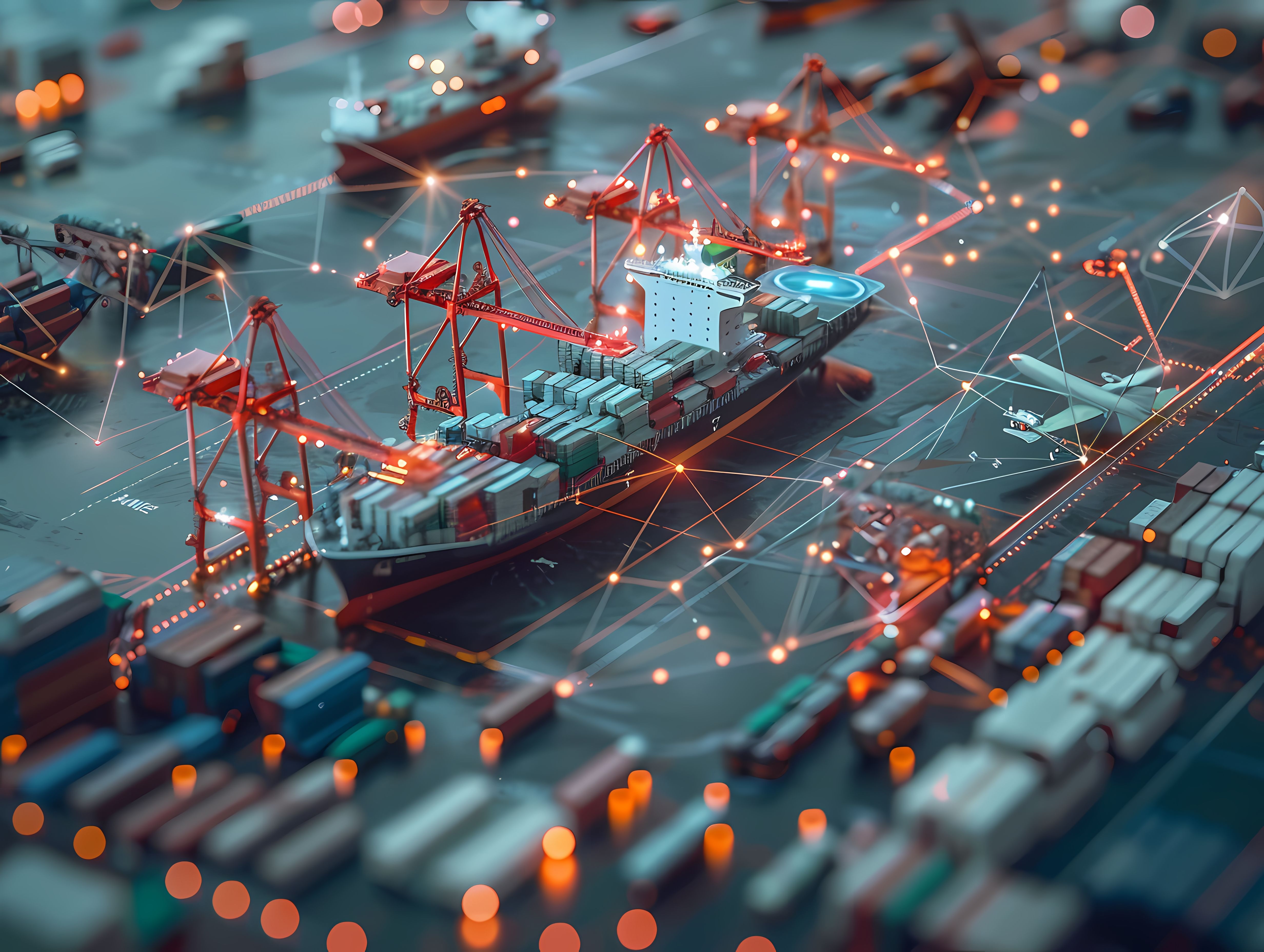 Successful freight consolidation depends on visibility and coordination.
With SupplySense 360, businesses can:
Successful freight consolidation depends on visibility and coordination.
With SupplySense 360, businesses can:
- Track shipments across carriers and transportation modes
- Monitor shipment status in real time
- Analyze transportation performance
- Improve carrier coordination
- Optimize freight planning decisions
Conclusion
Freight consolidation is one of the most effective ways to improve transportation efficiency and reduce logistics costs.
By combining shipments strategically and leveraging real-time visibility, businesses can lower freight expenses, improve resource utilization, and build a more efficient supply chain.