
Fuel Surcharges Explained: How They're Calculated and Why They Fluctuate
Understand how freight fuel surcharges are calculated, why they change with fuel prices, and how shippers can manage fuel-related transportation costs.


Fuel is one of the major operating expenses in freight transportation. When diesel or other fuel prices rise, carriers may face higher costs for moving shipments between locations. To manage these changes, many carriers apply a fuel surcharge in addition to the base freight rate. For shippers, understanding how fuel surcharges work is essential for budgeting transportation expenses, comparing carrier quotes, and avoiding unexpected costs.
What Is a Fuel Surcharge?
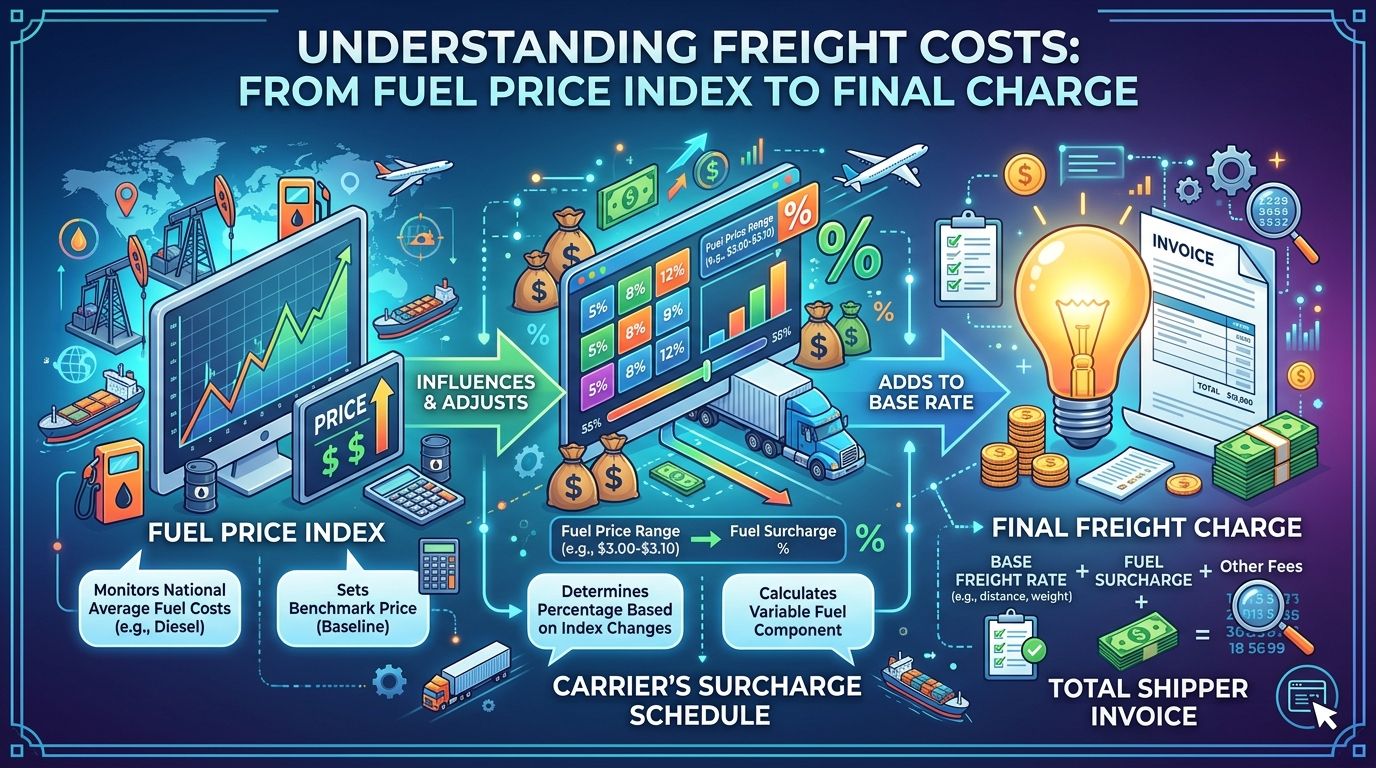
A fuel surcharge is an additional charge intended to account for changes in fuel costs during transportation. It is commonly used in trucking, parcel delivery, air freight, and other transportation services, although calculation methods vary by carrier and mode. Rather than constantly changing the base transportation rate whenever fuel prices move, a carrier can use a separate surcharge that adjusts according to an agreed pricing formula or published schedule. For shippers, this means the total freight cost may change even when the base rate remains the same.
How Are Fuel Surcharges Calculated?
There is no single formula used by every carrier. The calculation depends on the carrier's pricing policy, contract terms, transportation mode, and applicable fuel index. Common approaches include:
1. Percentage of the Base Freight Rate
Some carriers calculate the surcharge as a percentage of the transportation charge. For example, if the base freight rate is $1,000 and the applicable surcharge is 12%, the fuel surcharge would be $120. The total before other fees would be $1,120.
2. Rate Per Mile or Kilometer
In some trucking arrangements, the surcharge is calculated using a rate per mile or kilometer. For example, a shipment traveling 500 miles with a fuel surcharge of $0.20 per mile would incur a $100 surcharge.
3. Fuel Price Index or Surcharge Table
Some carriers use a published fuel price index and an adjustment table to determine the applicable surcharge. The surcharge may increase or decrease when the index crosses specified thresholds. The schedule may also use a reference fuel price, adjustment intervals, and other contract-specific rules. The important point is that the surcharge calculation should be verified against the carrier's actual pricing terms.
Why Do Fuel Surcharges Fluctuate?
Fuel surcharges can change for several reasons:
- Fuel prices: Rising or falling diesel and jet fuel prices can affect transportation costs.
- Market conditions: Supply disruptions, geopolitical events, and changes in demand can influence fuel prices.
- Carrier policies: Different carriers use different reference prices and adjustment schedules.
- Transportation mode: Road, air, ocean, and parcel services may apply different fuel-related pricing methods.
- Contract terms: Some agreements use fixed schedules, caps, floors, or periodic adjustments.
A surcharge may not change immediately when fuel prices move. Some carriers update their schedules weekly, while others use different review periods.
How Fuel Surcharges Affect Freight Budgets
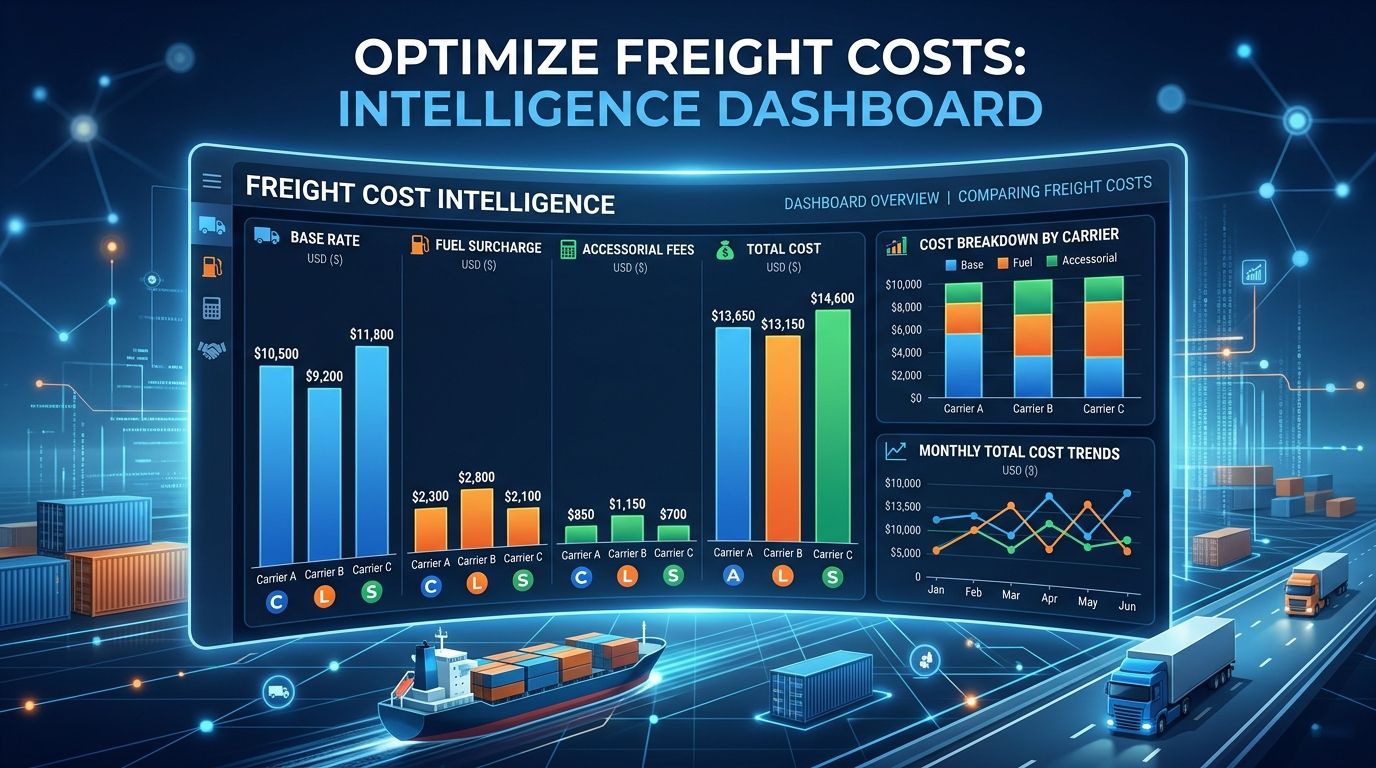
Fuel surcharges can make transportation spending less predictable, particularly for businesses moving large shipment volumes or operating across multiple regions. Consider a business that ships regularly across several routes. Even if its contracted base rates remain unchanged, changes in fuel surcharge schedules can increase the total cost of transportation. The impact becomes harder to track when carriers use different calculation methods or present surcharges separately from other fees. Shippers should therefore compare the total shipment cost, not just the base freight rate.
How to Manage Fuel Surcharge Costs
Businesses can take practical steps to improve control over fuel-related expenses.
- Review contract terms: Understand the fuel index, adjustment frequency, and calculation method used by each carrier.
- Compare total rates: Evaluate fuel surcharges alongside base rates and accessorial fees.
- Monitor shipment patterns: Identify routes, modes, and shipment types with consistently high costs.
- Consolidate shipments where appropriate: Better planning may reduce the number of separate trips or shipments required.
- Audit freight invoices: Check whether the surcharge applied matches the agreed schedule and shipment details.
- Track trends over time: Compare fuel charges across carriers, routes, and periods to identify changes.
Using Data to Improve Freight Cost Visibility
Managing fuel surcharges becomes more difficult when transportation rates, shipment records, and invoices are spread across disconnected systems.
SupplySense 360 helps businesses bring freight rate information, shipment visibility, and transportation cost analysis together. This can support better quote comparisons, clearer cost tracking, and more informed freight procurement decisions.
Conclusion
Fuel surcharges are a common part of freight pricing, but their impact on transportation budgets depends on how they are calculated and managed. By understanding carrier pricing methods, reviewing contract terms, and monitoring total freight costs, businesses can make better-informed transportation decisions.