
Global Importer's Checklist: From Purchase Order to Final Mile
Follow this practical global import checklist covering supplier verification, shipping documents, customs clearance, freight tracking, landed costs, and final delivery


Importing goods internationally involves much more than placing an order and waiting for delivery. Businesses must coordinate suppliers, freight forwarders, carriers, customs brokers, and final-mile providers while managing documentation, shipping costs, and potential delays. A missed document or overlooked charge can disrupt an otherwise straightforward shipment. A structured checklist helps importers manage each stage, from the initial purchase order to delivery at the final destination. Here is a practical guide to keeping international shipments organized and under control.
1. Before Ordering: Verify Your Supplier and Terms
A successful import begins before goods leave the supplier's facility.
- Verify the supplier: Confirm business details, production capacity, product specifications, and references where appropriate.
- Finalize the purchase order: Document quantities, product descriptions, unit prices, currency, production timelines, and quality requirements.
- Agree on payment terms: Clarify deposits, payment milestones, and the conditions for releasing goods.
- Confirm Incoterms: Agree on who handles transportation, insurance, export clearance, import clearance, and associated costs under the selected Incoterm.
- Check product requirements: Identify applicable permits, certifications, labeling rules, and import restrictions before production or dispatch.
Clarifying responsibilities early reduces disputes and unexpected expenses later.
2. Before Dispatch: Prepare the Documentation
Import documentation should be checked before the shipment leaves its origin. Depending on the goods, countries involved, and transport mode, documents may include:
- Commercial invoice
- Packing list
- Bill of lading or air waybill
- Certificate of origin, where required
- Product permits, licenses, or inspection certificates
- Insurance documentation, where applicable
- Customs declarations and supporting records
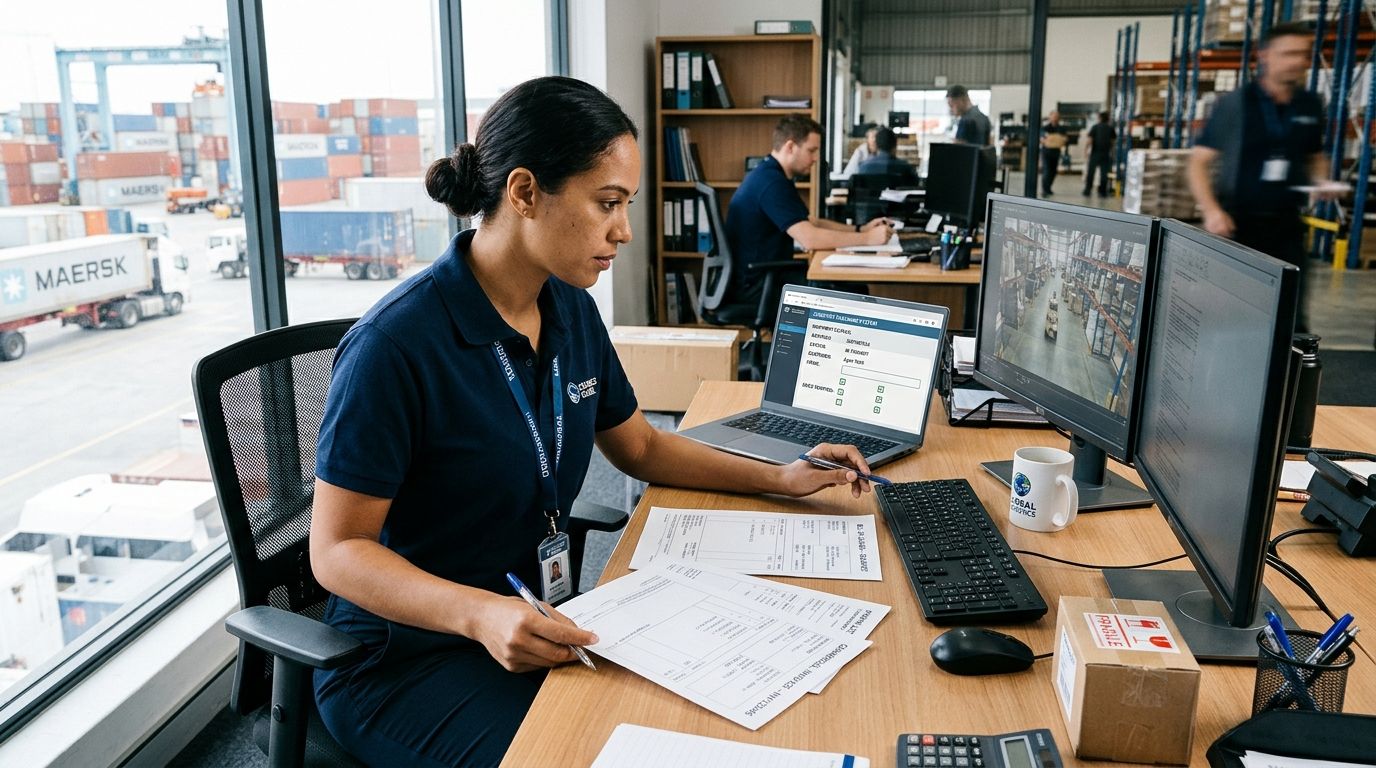 Verify that product descriptions, quantities, weights, values, consignee details, and country-of-origin information are consistent across documents.
Also confirm the appropriate Harmonized System (HS) classification. Incorrect classification can lead to inaccurate duty calculations, clearance delays, or penalties.
3. Before and During Transit: Calculate Costs and Track Progress
The freight quote is only one part of the total import cost. Build a landed-cost estimate that accounts for relevant expenses, such as:
- Product purchase price
- International freight and insurance
- Customs duties and applicable taxes
- Port, terminal, handling, and brokerage fees
- Inland transportation and final-mile delivery
- Potential storage, demurrage, or detention charges
Some costs depend on the shipment route, customs treatment, contractual terms, and whether delays occur. Confirm which charges apply rather than relying on a generic estimate. Once the shipment is dispatched, record its reference numbers, carrier details, expected milestones, estimated arrival date, and responsible contacts. Monitor events such as departure, transshipment, arrival, customs release, and delivery. With a platform such as SupplySense 360, import teams can use centralized shipment information and visibility tools to identify delays earlier and coordinate responses across providers.
4. At Arrival: Manage Customs Clearance
Before arrival, confirm that the customs broker has the necessary documents and instructions.
- Review declarations and declared shipment values.
- Confirm product classification, origin, and applicable duty treatment.
- Provide permits or certificates required for the goods.
- Monitor customs holds, inspections, and requests for additional information.
- Confirm that duties, taxes, and other applicable charges are handled by the responsible party.
Do not assume that arrival at the port or airport means the shipment is cleared for release. Customs release and terminal release may involve separate steps. Address discrepancies quickly to reduce avoidable storage costs and delivery disruption.
5. After Clearance: Coordinate the Final Mile
Once the shipment is released, arrange delivery to the warehouse, distribution center, production facility, or customer.
Confirm the delivery appointment, vehicle requirements, receiving hours, unloading arrangements, and any site-specific restrictions. Share updated arrival estimates with the receiving team.
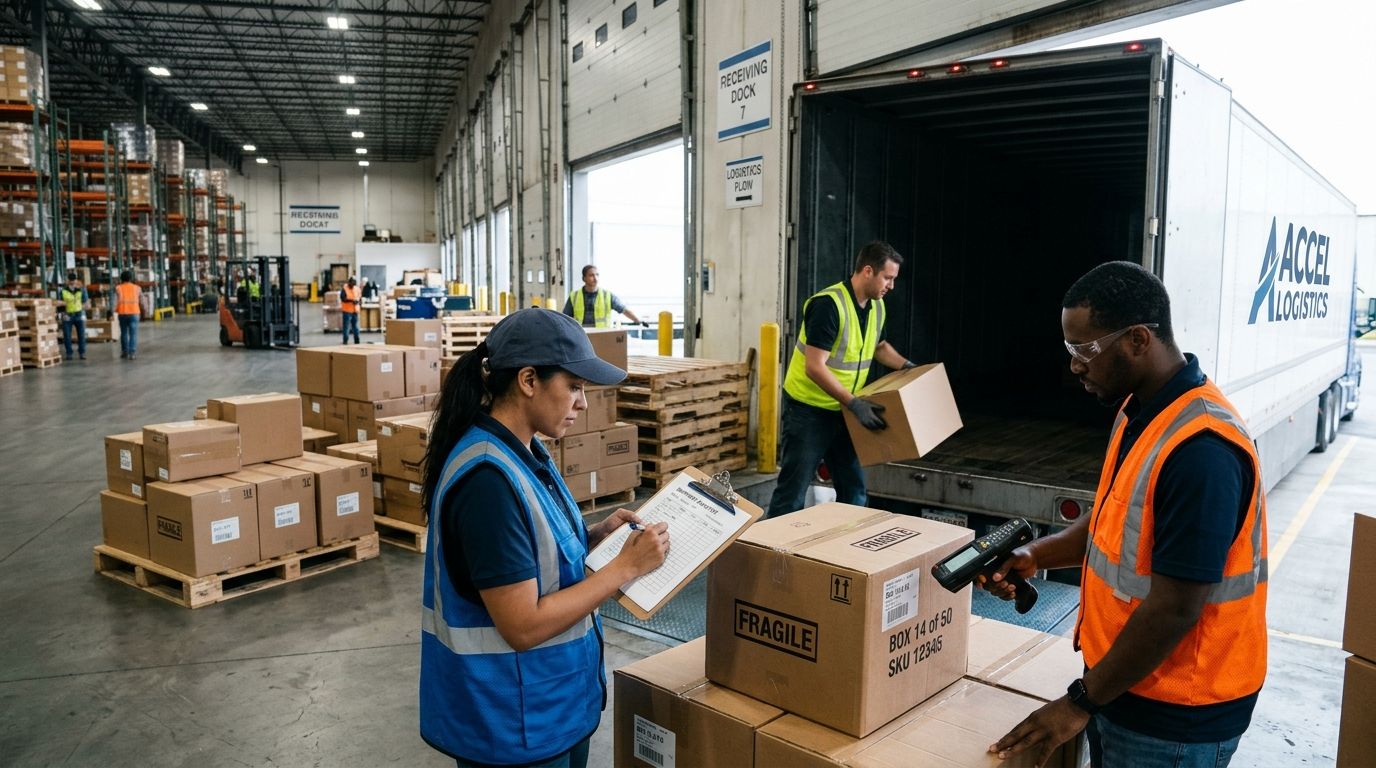
At delivery, verify quantities and visible condition against the relevant shipping and purchase documents. Record shortages or damage, obtain proof of delivery, and escalate discrepancies promptly.
6. Close the Shipment and Review Performance
The process is not complete when the truck leaves the delivery site. Reconcile supplier invoices, freight bills, customs charges, and other expenses against the original estimate. Investigate unexpected costs and retain the documents needed for accounting, compliance, and future audits. Finally, review delivery performance, transit time, clearance delays, and carrier reliability. These insights can improve supplier planning and future shipping decisions.
Conclusion
A reliable importing process depends on preparation, accurate documentation, cost visibility, and coordination across every stage of transportation. A standardized checklist gives teams a repeatable way to manage shipments while reducing avoidable surprises. SupplySense 360 helps businesses bring shipment visibility, cost intelligence, and logistics coordination into a more connected workflow.