
What Is Drayage? Understanding Short-Haul Container Transport in Logistics
Learn what drayage means in logistics, how it supports container shipping, and why it is critical for efficient port and intermodal transportation.


In global logistics, the movement of goods doesn’t happen in one continuous journey. Instead, shipments often move in stages across different transportation modes. One of the most critical but often overlooked stages is drayage. Drayage plays a key role in connecting ports, rail yards, and warehouses, ensuring containers move efficiently through the supply chain.
What Is Drayage?
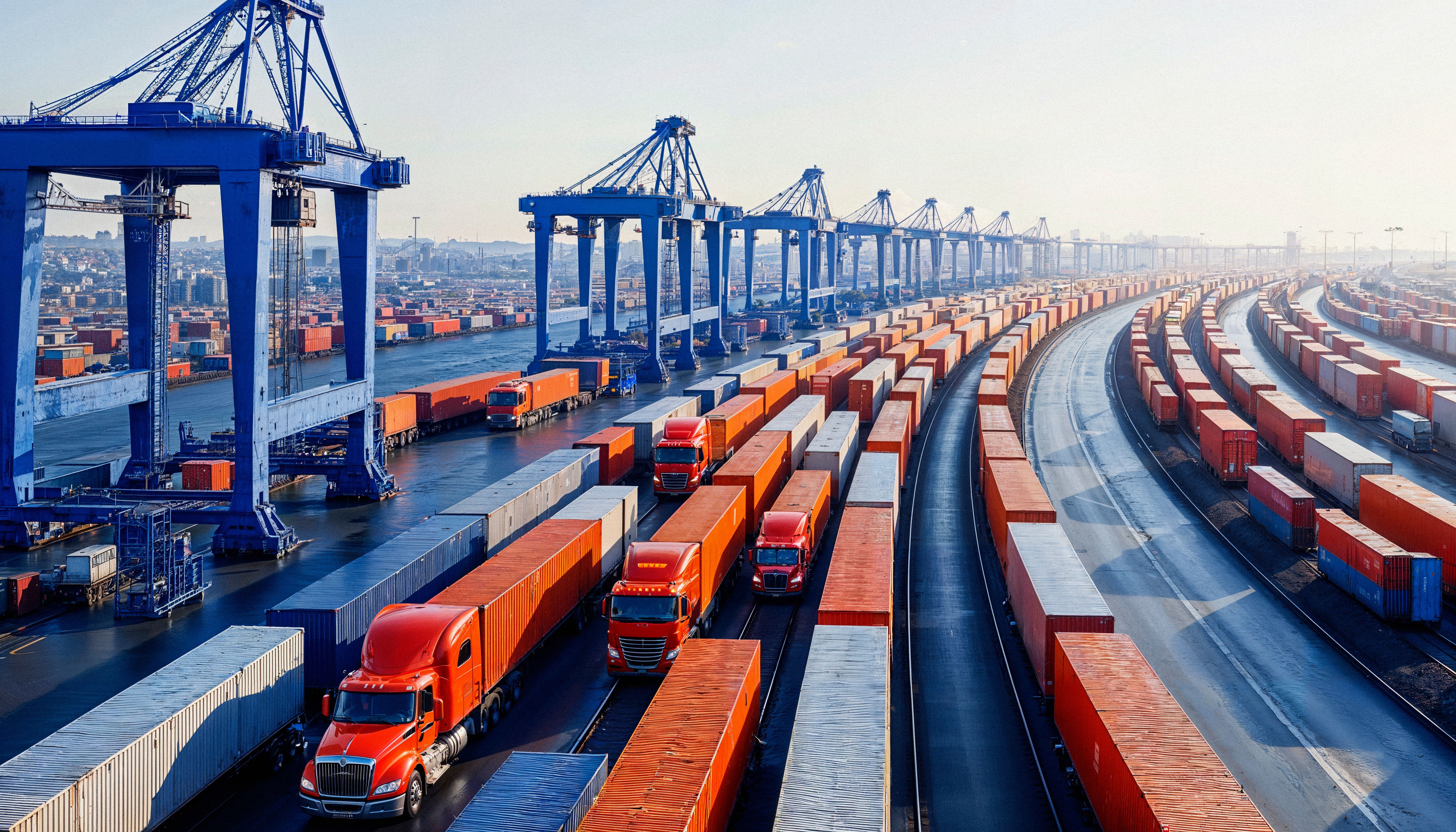
Drayage refers to the short-distance transportation of containerized cargo, typically between ports, rail terminals, and nearby warehouses. It is a key component of intermodal transportation, where goods move across multiple transport modes such as ships, trains, and trucks. Common drayage movements include:
- Port to warehouse
- Port to rail terminal
- Rail terminal to distribution center
- Port-to-port transfers
Although these distances are short, drayage is essential for keeping goods moving through the supply chain.
Why Drayage Is Important
Drayage acts as the bridge between long-haul transportation and final delivery. Without efficient drayage operations:
- Containers would remain stuck at ports.
- Rail shipments would not connect to distribution networks
- Supply chains would experience significant delays.
Types of Drayage Services
There are several types of drayage depending on the movement of cargo:
- Inter-carrier drayage: Between different carriers or terminals
- Intra-carrier drayage: Within the same carrier network
- Pier drayage: Movement within port terminals
- Door-to-door drayage: Direct delivery from port to final destination
Each type supports a different stage of the logistics process.
Challenges in Drayage Operations
Despite its importance, drayage presents several challenges:
- Port congestion and long wait times
- Limited appointment availability
- Poor coordination between carriers and terminals
- Lack of real-time shipment visibility
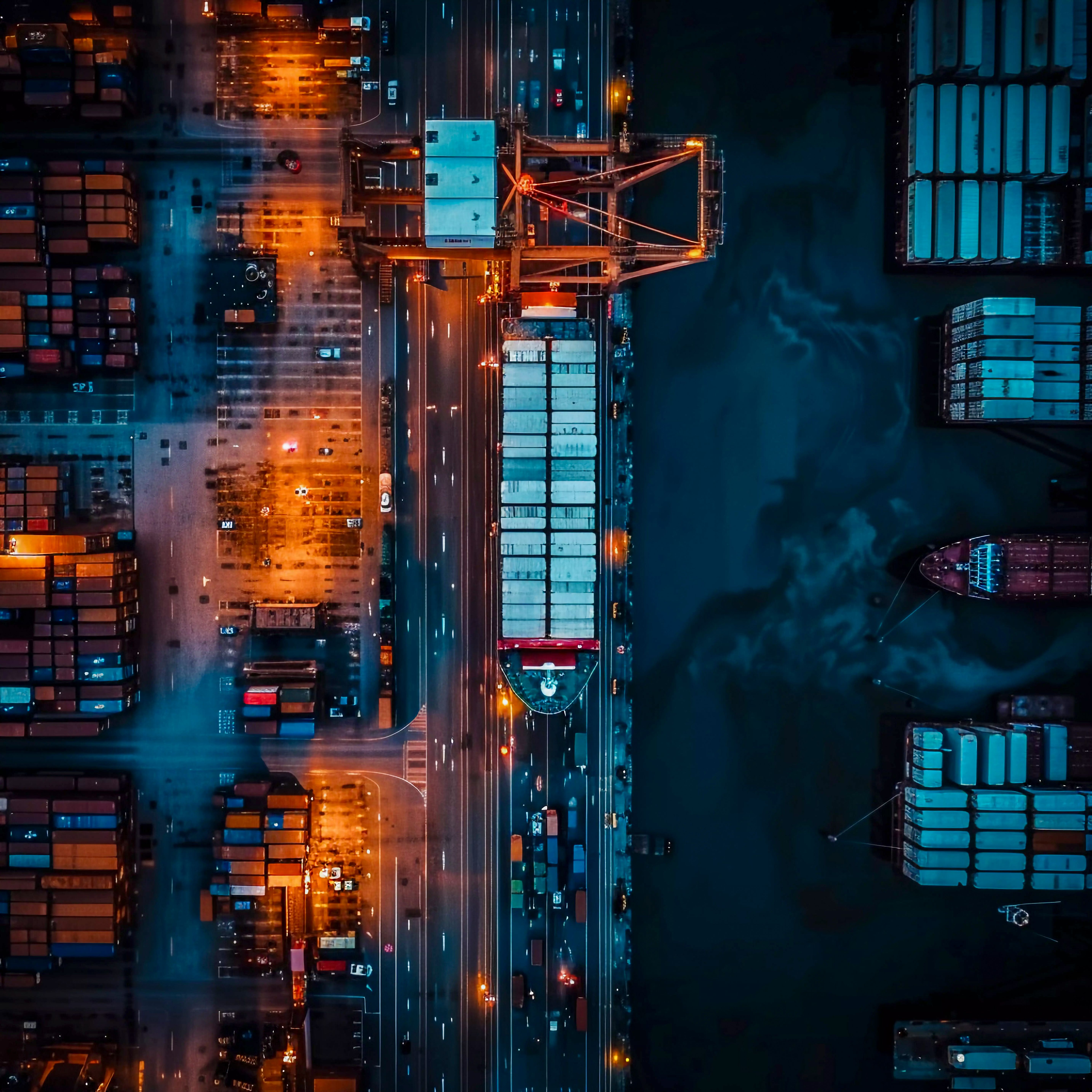
To manage these challenges, businesses need better visibility into container movement. Platforms like SupplySense 360 provide real-time tracking and predictive insights across drayage, port operations, and inland transportation. With better visibility, logistics teams can anticipate delays, coordinate pickups more efficiently, and reduce dwell times at ports.
Conclusion
Drayage may cover short distances, but its impact on supply chain performance is significant. Efficient drayage operations help reduce delays, improve container flow, and support seamless intermodal transportation. With the right tools and real-time visibility, companies can optimize this critical stage of logistics.